What is Fibreglass or Fiberglass

What is Fibreglass or Fiberglass? Uses, Types & Benefits Explained

Fibreglass (also called fiberglass or GRP) is a strong, lightweight composite material made from fine glass fibres combined with resin. It’s widely used in construction, roofing, marine, and industrial applications because of its durability, corrosion resistance, and versatility.

FIBERGLASS OR FIBREGLASS

What You’ll Learn in This Guide


  • What fibreglass is (simple explanation)
  • Why it’s used across industries
  • Types and forms of fibreglass
  • Real-world applications
  • How it’s made
  • How to choose the right product


What Is Fibreglass?

Fibreglass—also known as glass-reinforced plastic (GRP)—is formed by combining glass fibres with resin to create a tough, durable composite material. 

This combination results in a material that is:

  • Strong yet lightweight
  • Resistant to corrosion and chemicals
  • Easy to mould into complex shapes

This makes fibreglass ideal for demanding environments like construction, marine, and industrial settings.

Why Is Fibreglass So Popular?

Fibreglass is widely used because it outperforms many traditional materials.

kEY bENEFITS:

  • High strength-to-weight ratio (stronger than steel in some applications) 
  • Corrosion and UV resistance 
  • Excellent electrical insulation 
  • Non-combustible and thermally stable 
  • Long-lasting and low maintenancE.


In construction, this means longer lifespan and reduced lifecycle costs.

fIBREGLASS VS oTHER mATERIALS

Understanding how fibreglass compares helps users make better decisions:

Material
Strength
Weight
Corrosion Resistance
Maintenance
Fibreglass
High
Light
Excellent
Low
Steel
Very high
Heavy
Poor (rusts)
High
Plastic
Low-medium
Light
Moderate
Medium
EPDM (roofing)
Medium
Light
Good
Medium

Fibreglass stands out for its balance of strength, durability, and low upkeep.

What are the different Types of Fibreglass?

Different types are engineered for specific uses:

  • A-glass – General-purpose, chemical-resistant 
  • C-glass – High chemical resistance 
  • E-glass – Electrical insulation applications 
  • AE-glass – Alkali-resistant 
  • S-glass – High-strength structural applications 

Choosing the right type depends on your environment and application.

Common Forms of Fibreglass

Fibreglass is manufactured in different forms depending on use:

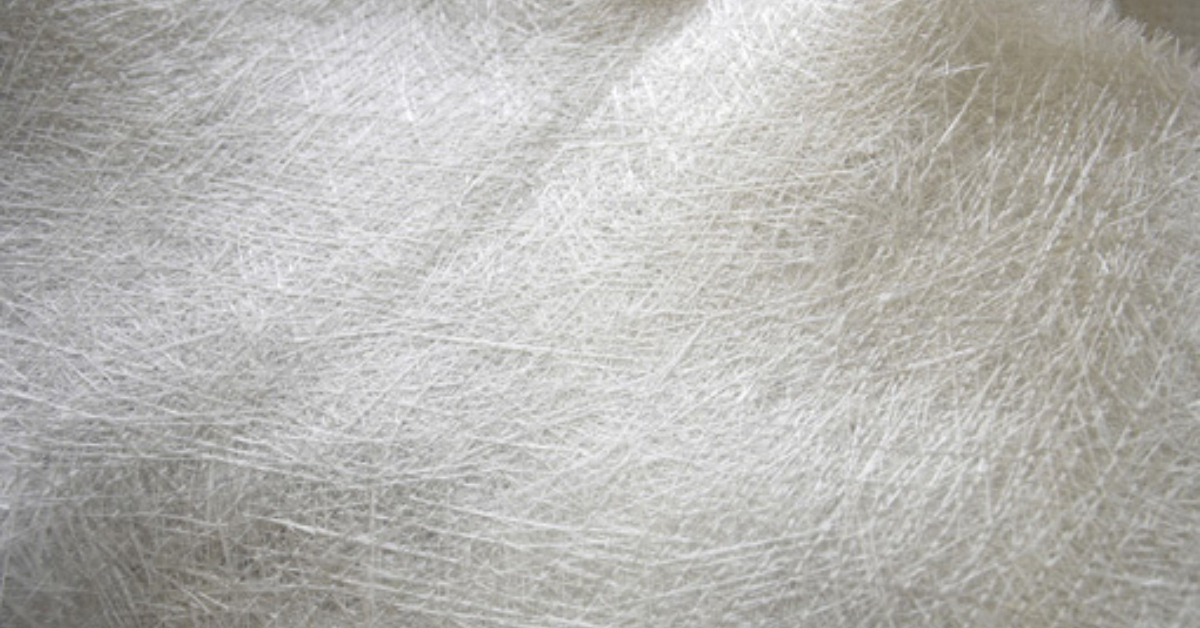
  • Matting – Flat sheets for general reinforcement 
  • Cloth – Used in fire-resistant and heat applications 
  • Tape – For insulation and wrapping 
  • Rope – Sealing and packing uses 

Each form serves a different role in manufacturing and construction.

Where is Fibreglass Used?

Fibreglass is used across many industries:

Key Applications:

  • Construction – Roofing, insulation, panels
  • Marine – Boats, docks, surfboards
  • Transport – Vehicle panels and components
  • Aerospace & defence – Lightweight structural parts
  • Food & beverage – Hygienic, corrosion-resistant surfaces
  • Energy sector – Non-conductive components 


Real Example: Fibreglass in Construction

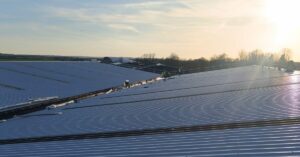
Fibreglass is commonly used in flat roofing systems, where durability and waterproofing are critical.

Compared to traditional materials, fibreglass roofing:

  • Requires less maintenance
  • Has a longer lifespan
  • Performs better in harsh weather

How Is Fibreglass Made?

There are three main manufacturing processes:

  1. Hand Lay-Up – Layers of resin and fibre applied manually 
  2. Spray Application – Fibres and resin sprayed into moulds 
  3. Compression Moulding – High-volume, precision production 

Each method is chosen based on scale and product requirements.


Frequently Asked Questions

Is fibreglass waterproof?

Yes—fibreglass is highly water-resistant, making it ideal for roofing and marine use.

Is fibreglass stronger than steel?

In terms of strength-to-weight ratio, fibreglass can outperform steel in certain applications.

How long does fibreglass last?

Fibreglass can last decades with minimal maintenance.

Is fibreglass expensive?

Initial costs can be higher, but long-term savings come from durability and low maintenance.

How to Choose the Right Fibreglass Product

When selecting fibreglass, consider:

  • Application (roofing, marine, industrial)
  • Required strength
  • Environmental exposure (chemicals, UV, moisture)
  • Installation method


 The right choice ensures performance and longevity.

Talk to a Composites Expert

Need help choosing the right material?

Get advice from our team and find the best fibreglass solution for your project.

TRIROOF ARTICLES

Liquid Roofing Systems Banner
Construction & Building Solutions
Roofing Resin Subcategories Explained

Roofing resins like Original GRP, HPX, MultiFlex, Polyurethane, and Acrylic offer unique benefits for residential and commercial properties. Learn about the advantages, applications, and features of each resin type to choose the best option for your roofing needs.

Read More »