GRP Winter Grade Materials for Flat Roofs

Install GRP Roofing All Winter Long

TriRoof GRP Winter Grade Roof Materials are specially formulated to allow installation of the TriGrip GRP Roofing System in cold weather conditions at any time of the year. 

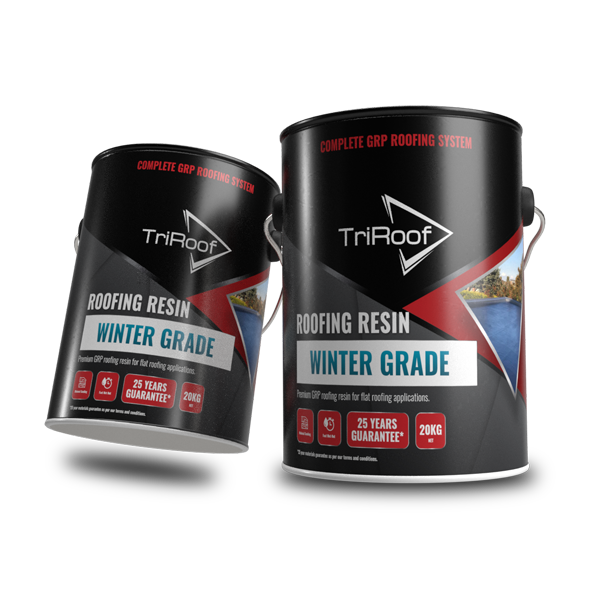
TriRoof GRP Winter Grade Resin

Key Features

✓  Suitable for use in cold temperatures between 0 and 12 degrees Celsius

Rapid curing for efficient winter installations

High-performance resin with premium finish

Minimal sanding required

No down time during colder months

Usable year-round, across all four seasons

Available from local stockists between November and mid-March. 

Resources and Case Studies

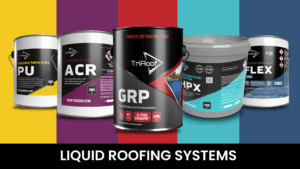
Liquid Roofing Systems Banner
Construction & Building Solutions

Roofing Resin Subcategories Explained

Roofing resins like Original GRP, HPX, MultiFlex, Polyurethane, and Acrylic offer unique benefits for residential and commercial properties. Learn about the advantages, applications, and features of each resin type to choose the best option for your roofing needs.

Read More »

Applying Flat Roofs in Winter: Tips for a Successful Installation

Installing flat roofs in winter can be challenging due to cold temperatures, snow, and icy conditions. However, with the right roofing materials and installation techniques, it’s entirely possible to achieve a successful result—ensuring your flat roof provides durable, long-lasting protection throughout the winter months and beyond.

Challenges of Installing Flat Roofs in Winter

Flat roofs are especially vulnerable to winter weather conditions. These surfaces tend to collect snow, rain, and standing water, which can freeze and cause damage if not properly managed. Cold temperatures and moisture also affect the performance of roofing materials, particularly those that require specific conditions for curing or bonding.

Key Challenges When Installing Flat Roofs in Winter

1. Cold-Temperature Effects on Roofing Materials

Many materials—such as adhesives, coatings, and sealants—may not perform optimally in cold weather. During winter installations, these products may cure more slowly or fail to bond properly, leading to weaker results and potential future damage.

2. Snow and Ice Accumulation

Flat roofs are more prone to snow and ice buildup than pitched roofs. This can lead to water pooling, which may freeze and cause leaks, structural damage, or long-term issues. Effective drainage solutions are essential to mitigate these risks.

3. Winter Safety Concerns

Icy and wet conditions make flat roof installations more hazardous. Slippery surfaces increase the risk of accidents, so it’s vital to follow winter safety protocols to protect workers during the installation process.

Tips for Successful Flat Roof Installation in Winter

Despite the challenges, using the right cold-weather roofing systems and following best practices can lead to a successful winter installation. Here are key tips for achieving a weather-resistant, high-performance flat roof during colder months:

  • Choose materials designed for cold-weather application, such as GRP winter-grade systems
  • Ensure proper surface preparation and drainage
  • Monitor weather forecasts to avoid installation during extreme conditions
  • Follow manufacturer guidelines for curing times and temperature ranges