Roofing Resin Subcategories Explained

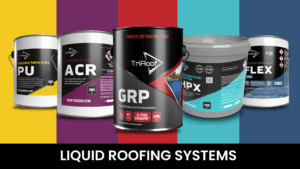
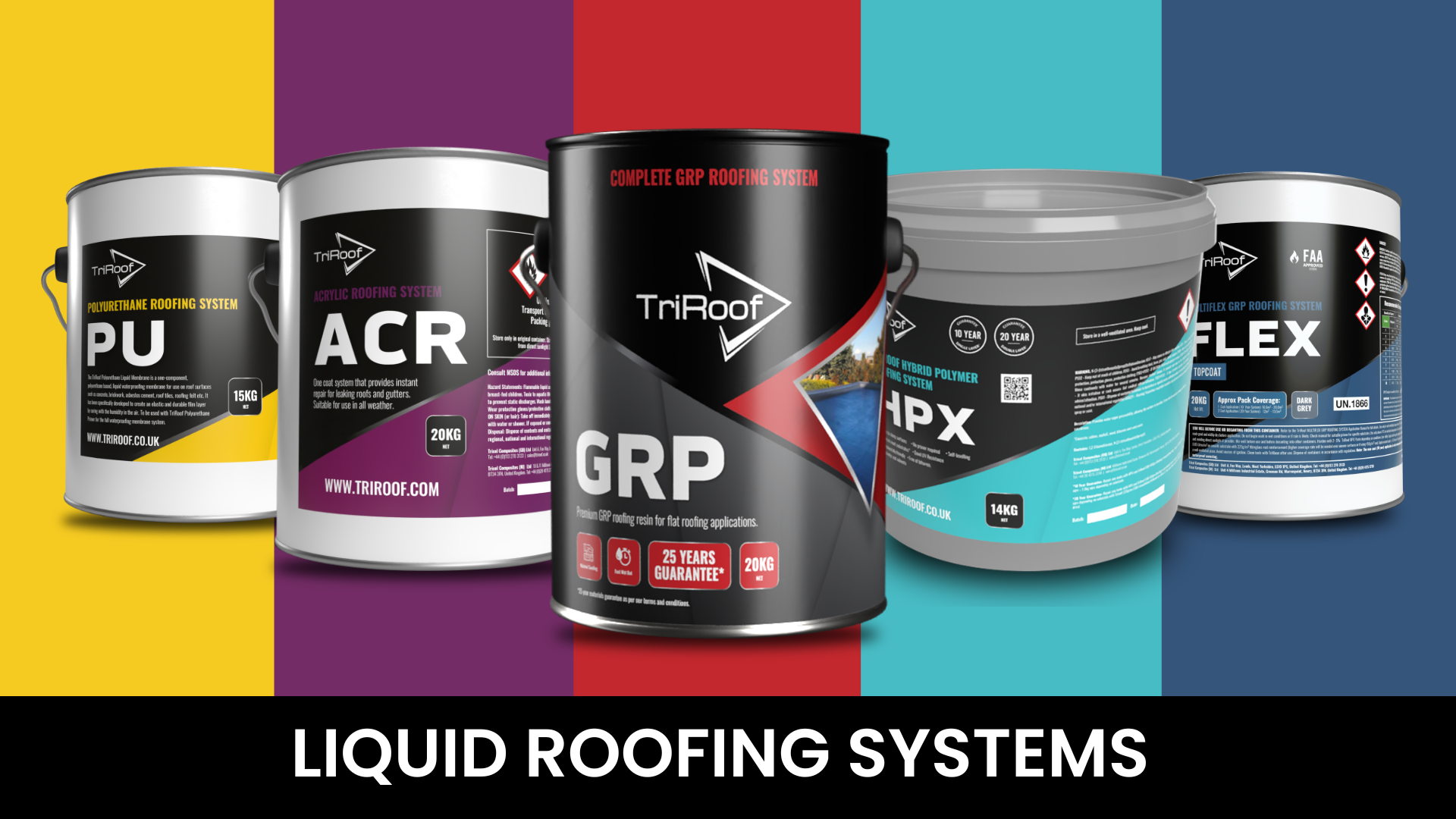
Liquid Roofing Systems Banner

Types of Roofing Resin Explained: GRP, HPX, MultiFlex, Polyurethane & Acrylic

Roofing resins are a popular solution for both residential and commercial roofing projects thanks to their durability, flexibility, and seamless waterproofing performance. From flat roofs to complex structures, resin roofing systems provide long‑lasting protection against weathering, UV exposure, and structural movement.

In this guide, we explain the main types of roofing resinOriginal GRP, HPX, MultiFlex, Polyurethane, and Acrylic—and outline their key benefits, differences, and best‑use applications to help you choose the right system for your project.

Original GRP (Glass Reinforced Plastic) Roofing Resin

What is GRP Roofing Resin?

GRP (Glass Reinforced Plastic) roofing resin is a polyester resin reinforced with glass fibres. It creates a seamless, highly durable waterproof membrane that is widely used in flat roofing systems.

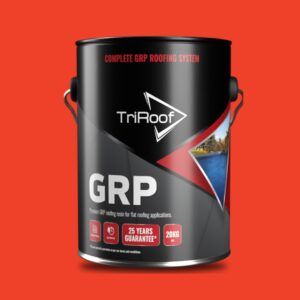
GRP Tin

Key Advantages of GRP Roofing

  • Long‑lasting performance (often 25+ years)
  • Excellent waterproofing for flat roofs
  • High strength and impact resistance
  • Low maintenance once installed

Common GRP Roofing Applications

  • Flat roofs
  • Balconies and terraces
  • Walkways where foot traffic is expected

HPX Roofing Resin

What is HPX RESIN?

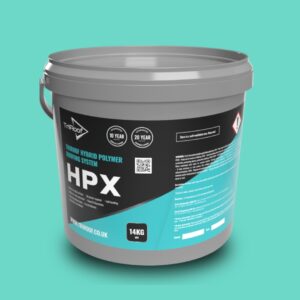
HPX is a high‑performance hybrid roofing resin designed to deliver enhanced flexibility, tensile strength, and chemical resistance—making it ideal for more demanding or industrial environments.

HPX Tin

Key Advantages of HPX Roofing

  • Superior tensile strength compared to standard GRP
  • Performs well in extreme hot and cold climates
  • Resistant to chemicals and environmental stress


Common HPX Roofing Applications

  • Industrial and commercial roofs
  • High‑stress environments
  • Extreme weather zones


MultiFlex Roofing Resin

What is MultiFlex?

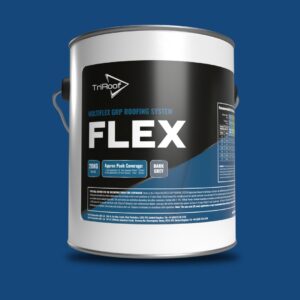
MultiFlex is a flexible, user‑friendly roofing resin system designed to accommodate movement and complex roof details while remaining cost‑effective.

Flex Tin

Key Advantages of MultiFlex Roofing

  • High flexibility for irregular roof shapes
  • Easy application (ideal for contractors and DIY use)
  • Cost‑effective solution with reliable performance

Common MultiFlex Applications

  • Residential flat roofs
  • Commercial roofing projects
  • Refurbishment and repair work


Polyurethane (PU) Roofing Resin

What Is Polyurethane Roofing Resin?

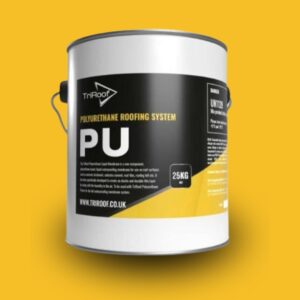
Polyurethane roofing resin forms a seamless, elastic membrane that adapts to temperature changes, helping prevent cracks, splits, and water ingress over time.

PU Tin

Key Advantages of Polyurethane Roofing

  • Superior waterproofing performance
  • Excellent UV resistance
  • Long‑term flexibility and crack‑bridging properties


Common Polyurethane Applications

  • Flat roofing systems
  • Green roofs
  • Roofs requiring high UV and water resistance


Acrylic Roofing Resin

What is Acrylic Roofing Resin?

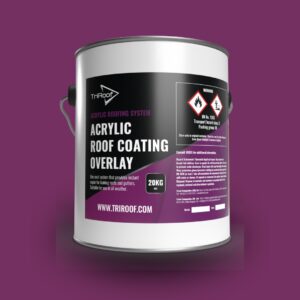
Acrylic roofing resin is a quick‑drying, water‑based coating that offers waterproofing and reflective properties to improve energy efficiency.

Acrylic Tin

Key Advantages of Acrylic Roofing

  • Reflects sunlight to reduce heat absorption
  • Easy application by brush, roller, or spray
  • Fast curing for rapid project completion


Common Acrylic Roofing Applications

  • Pitched roofs
  • Metal roofing systems
  • Energy‑efficient and refurbishment projects


How to Choose the Right Roofing Resin

When selecting the best resin roofing system, consider the following factors:

  • Roof type (flat, pitched, metal, balcony, walkway)
  • Climate and exposure (UV, temperature fluctuations, chemical exposure)
  • Performance requirements (flexibility, waterproofing, durability)
  • Application method (DIY installation vs. professional system)

Understanding the differences between GRP, HPX, MultiFlex, Polyurethane, and Acrylic roofing resins ensures you choose a solution that delivers long‑term protection, performance, and value for your specific roofing project.

Roofing Resin FAQ's

What is the best roofing resin for flat roofs?

GRP and Polyurethane roofing resins are the most commonly used for flat roofs due to their seamless waterproofing, durability, and long service life.

What’s the difference between GRP and Polyurethane roofing resin?

GRP is a rigid, glass‑reinforced system ideal for long‑term strength, while polyurethane is more flexible, making it better suited to roofs that experience movement or temperature changes.

Is roofing resin suitable for DIY projects?

Yes. MultiFlex and acrylic roofing resins are particularly suitable for DIY applications due to their ease of use and simple application methods.

Which roofing resin is best for extreme weather conditions?

HPX roofing resin is specifically designed for high‑performance environments and performs well in extreme heat, cold, and chemically exposed conditions.

How long does a resin roof last?

Depending on the system used and correct installation, a resin roof can last 20–30 years or more with minimal maintenance.

Can resin roofing be applied over existing roofs?

In many cases, yes. Roofing resins can often be applied over suitable existing substrates, but proper preparation and assessment are essential.

TRIROOF ARTICLES

Liquid Roofing Systems Banner
Construction & Building Solutions
Roofing Resin Subcategories Explained

Roofing resins like Original GRP, HPX, MultiFlex, Polyurethane, and Acrylic offer unique benefits for residential and commercial properties. Learn about the advantages, applications, and features of each resin type to choose the best option for your roofing needs.

Read More »