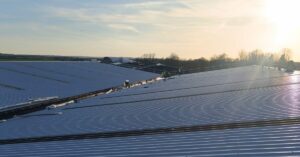
POLYURETHANE WATERPROOFING ROOF SYSTEM

durable, waterproof membrane for new and existing flat roofs

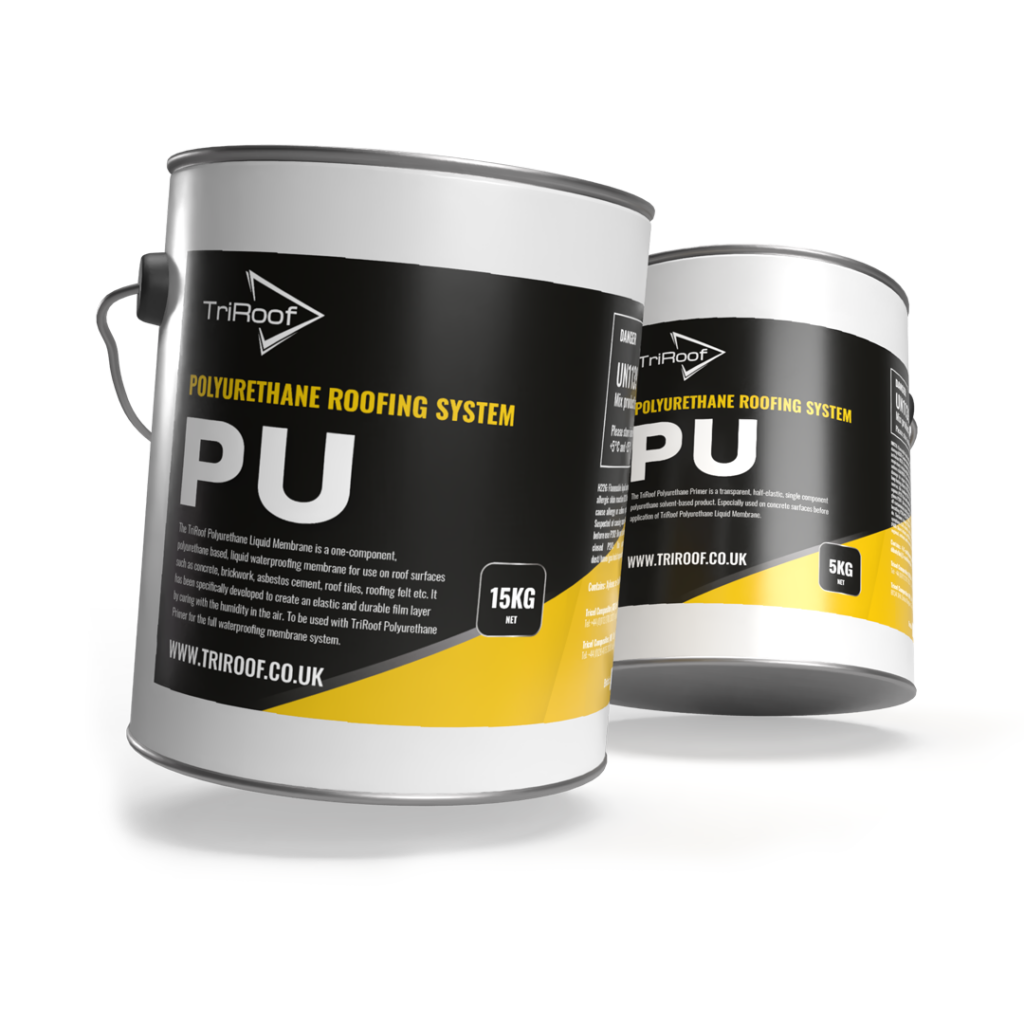
The TriRoof Polyurethane Waterproofing Roof System features a one-component, moisture-triggered elastomeric urethane coating. It delivers excellent strength and long-lasting durability.

Start by applying a layer of Polyurethane Roofing Basecoat to the substrate, then add a layer of matting. Finish the system with our Dark Grey Polyurethane Roofing Topcoat.

You don’t need primer for asphalt roof surfaces. However, always apply primer to concrete substrates. We offer a range of primers tailored to different substrates, including concrete, GRP, and metal.

Use this system in applications that require seamless waterproofing on structurally sound roof areas. Apply the system at temperatures between +5°C and +35°C for optimal performance.

TriRoof Polyurethane Waterproofing System
TriRoof PU Key Features

Key Features

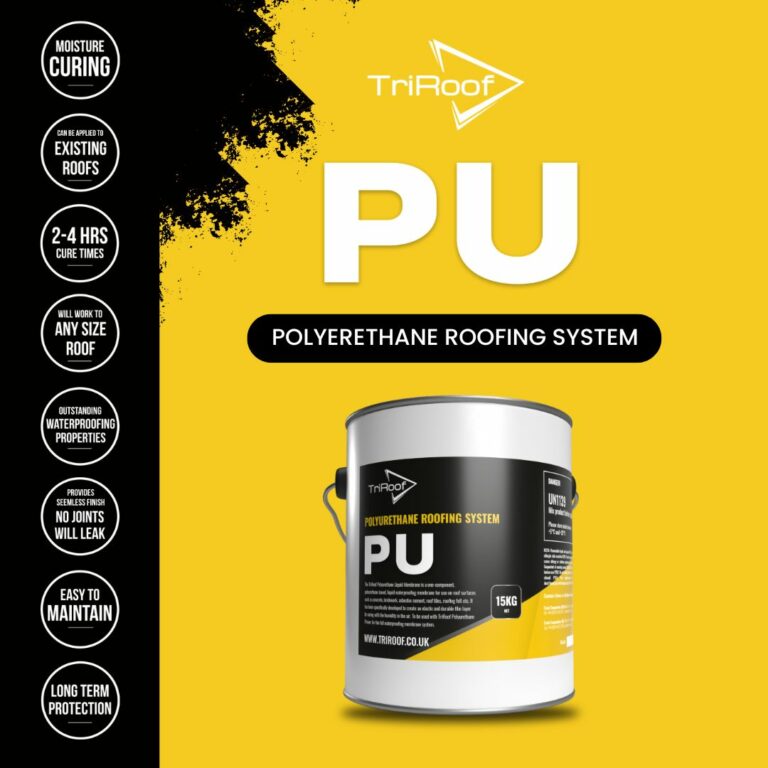
✓  Can be applied to existing roofs (no need to strip back)
✓  Easy by-hand application
✓  Short cure times allowing product to be over-coated quickly
✓  Will work to any size roof
✓  Outstanding waterproofing properties
✓  Provides a seamless finish – no joints will leak
✓  Easy to maintain
✓  Long term protection 
✓  Comprehensive technical support

PU Roofing Systems: A Leading Solution for Flat Roof Waterproofing

Polyurethane (PU) roofing systems rank among the most effective solutions for long-term, seamless waterproofing of flat roofs. These membranes offer exceptional flexibility, durability, and resistance to environmental stresses, delivering robust, high-performance protection for both new builds and refurbishment projects.

PU roofing systems deliver outstanding adhesion and a fully bonded finish, ensuring superior flat roof waterproofing with minimal maintenance. Builders, contractors, and property owners trust them across residential, commercial, and industrial applications.

What is a PU Roofing System?

A polyurethane (PU) roofing system uses a liquid-applied waterproofing solution that cures into a highly elastic, seamless membrane. Once it fully cures, it forms a tough, durable, and watertight surface that bonds directly to the substrate.

Engineers originally developed PU systems for tough industrial environments, but construction professionals now widely use them for flat roofs because they resist ponding water, extreme temperatures, UV exposure, and structural movement—key challenges in waterproofing.

Why is PU Roofing Ideal for Flat Roofs?

Flat roofs are especially vulnerable to water ingress, weathering, and mechanical stresses. A PU roofing solution addresses these challenges with the following key advantages:

1. Seamless, Fully Bonded Waterproofing

Liquid application eliminates joints, seams, and welds — the most common sources of flat roof leaks — creating a continuous, durable waterproof layer that easily manages standing water.

2. Exceptional Flexibility and Crack Bridging

PU membranes retain high elasticity even after curing, allowing them to accommodate thermal movement, structural shifts, and minor cracks without compromising waterproofing performance.

3. Long-Term Durability

Resistant to UV degradation, chemical exposure, and abrasion, polyurethane waterproofing systems maintain their integrity for decades, providing lasting protection with minimal upkeep.

4. Versatile Application

PU systems can be installed over a wide range of surfaces, including concrete, timber, metal, asphalt, and existing roof membranes — making them ideal for both new projects and overlays.

5. Rapid Installation and Curing

Quick curing times and easy application by roller, brush, or spray reduce on-site disruption and enable faster project completion, even on complex or detailed roof designs.

What are some Common Applications for PU Roofing Systems?

Polyurethane waterproofing systems are highly versatile and suitable for a wide range of flat and low-pitched roofing projects, including:

  • Commercial and industrial flat roofs
  • Residential homes and extensions
  • Walkways, terraces, and balconies
  • Green roofs and podium decks
  • Refurbishment of aging flat roofs

Wherever reliable, seamless waterproofing for flat roofs is needed, PU systems provide a robust, flexible solution that performs in the most demanding environments.

What are some Important Considerations When Using PU Roofing Systems?

While polyurethane waterproofing offers significant advantages, it’s important to keep the following in mind for optimal results:

  • Surface Preparation: Substrates must be clean, dry, and structurally sound to achieve maximum adhesion and performance.
  • Weather Conditions: PU systems generally require dry conditions for successful application. Wet or damp substrates can affect curing and membrane integrity.

Professional Installation: For the best waterproofing performance and maximum lifespan, installation should be carried out by experienced contractors familiar with liquid-applied membrane techniques.

PU Roofing Systems: The Smart Choice for Waterproofing Flat Roofs

Polyurethane waterproofing systems deliver unmatched strength, flexibility, and seamless protection. They bond securely to a wide range of substrates and perform reliably under extreme conditions, making PU systems the top choice for waterproofing flat roofs—from residential homes to complex commercial buildings.

If you want a high-quality solution that combines easy application with proven durability, choose a PU roofing system for lasting peace of mind and dependable flat roof protection.

TRIROOF ARTICLES

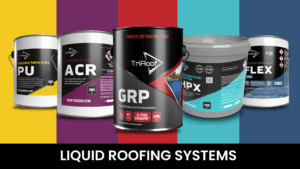
Liquid Roofing Systems Banner
Construction & Building Solutions

Roofing Resin Subcategories Explained

Roofing resins like Original GRP, HPX, MultiFlex, Polyurethane, and Acrylic offer unique benefits for residential and commercial properties. Learn about the advantages, applications, and features of each resin type to choose the best option for your roofing needs.

Read More »