What is GRP (Fibreglass)? A Complete Guide to GRP Roofing

GRP Fibreglass Roofing

Glass Reinforced Plastic (GRP) — commonly known as fibreglass — is a high-performance composite material widely used in roofing, construction, and manufacturing.

If you’re considering a GRP roofing system, this guide explains what it is, how it works, and why it’s one of the most durable flat roofing solutions available today.

What is GRP?

GRP (Glass Reinforced Plastic) is made by combining:

  • Thermosetting resin
  • Glass fibres (fibreglass matting)

When bonded together, these materials create a strong, lightweight, waterproof surface that is highly resistant to:

  • Corrosion
  • Extreme temperatures
  • Weathering
  • Impact

Key benefit: GRP can be moulded into complex shapes, making it ideal for flat roofs and detailed installations.

wHY IS fIBREGLASS rOOFING SO pOPULAR?

GRP has been used in the UK and Ireland since the 1940s, originally in the marine industry for boat building. Its proven durability quickly led to adoption across:

  • Construction and roofing
  • Automotive manufacturing
  • Water tank production

Today, fibreglass roofing systems are widely used for both residential and commercial flat roofs thanks to their:

  • Long lifespan (20+ years)
  • Seamless waterproof finish
  • Low maintenance requirements
  • Cost-effectiveness over time

What is a GRP Roofing System?

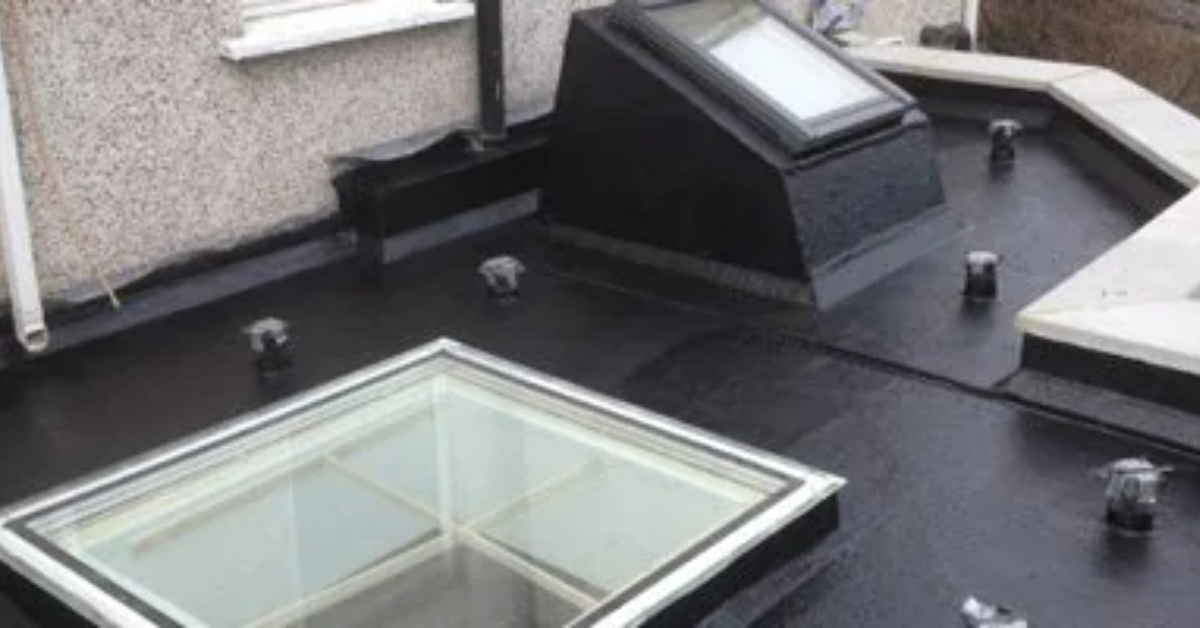
A GRP roof is a single-ply laminate system installed over OSB3 decking boards.

Core Components

  • Resin – bonds the system
  • Fibreglass matting – adds strength
  • Topcoat – provides weatherproof protection

When installed correctly, the result is a fully bonded, seamless surface that will not rot, crack, or corrode.

Benefits of GRP Roofing

Here’s why contractors and homeowners choose fibreglass roofs:

Durability

GRP roofs typically last 20–30 years or more with minimal maintenance.

Waterproof Protection

No seams = no weak points for leaks.

Low Maintenance

Once cured, GRP is inert, meaning:

  • No rust
  • No rot
  • Very little upkeep

Versatility

Suitable for:

  • Extensions
  • Garages
  • Balconies
  • Commercial buildings

Tips for Installing a GRP Roof

To ensure a successful installation, follow these essential guidelines:

  •  Install only in dry, mild weather
  • Avoid temperatures below 5°C
  • In winter, avoid topcoating after 2pm
  •  Do not apply on surfaces above 30°C
  •  Stop immediately if rain starts

Proper conditions are critical for curing and long-term performance.

Step-by-Step GRP Roofing Installation

Preparing the Deck

  • Use 18mm OSB3 boards
  • Lay boards at 90° to joists
  • Leave a 25mm expansion gap at walls
  • Fix using 63mm galvanised nails (200mm centres)


Tip: Stagger board joints to improve strength and stability.

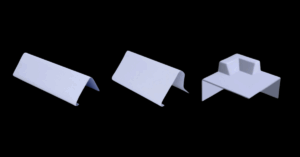
Installing Edge Trims

GRP trims provide a clean, watertight finish.

  • Fix using galvanised nails or staples
  • Use PU adhesive for specific trims (e.g. F300, D260)

Preparing for Lamination

  • Pre-cut fibreglass matting
  • Apply bandage to joints and corners
  • Ensure 50mm overlap at edges


Laminating the Roof

  • Mix resin with 2% catalyst
  • Apply resin:

    • 1/3 to board
    • 2/3 to mat
  • Use:

    • Brush (application)
    • Roller (remove air bubbles)

The fibreglass should appear fully transparent when saturated.

Applying Topcoat

This final layer provides weather protection.

  • Apply within 24 hours
  • Mix with catalyst (2%)
  • Sand rough areas before application

How Long Does a GRP Roof Last?

A professionally installed GRP roof will last:

20–30 years or more

Factors that impact lifespan:

  • Quality of installation
  • Weather conditions during application
  • Ongoing maintenance

Is GRP Roofing Right for You?

GRP is ideal if you want:

  • A long-lasting flat roof solution
  • Minimal maintenance
  • A modern, seamless finish
  • Strong resistance to Irish/UK weather conditions

Video Guide to Installing a GRP Roof

Need Help with Your GRP Project?

Our technical team is here to help with:

  • Product selection
  • Installation advice
  • Troubleshooting


Contact us today for expert guidance on your GRP roofing project.

TRIROOF ARTICLES

Liquid Roofing Systems Banner
Construction & Building Solutions
Roofing Resin Subcategories Explained

Roofing resins like Original GRP, HPX, MultiFlex, Polyurethane, and Acrylic offer unique benefits for residential and commercial properties. Learn about the advantages, applications, and features of each resin type to choose the best option for your roofing needs.

Read More »