
Flat Roof to Pitched Roof Junction Detail: How to Get it Right

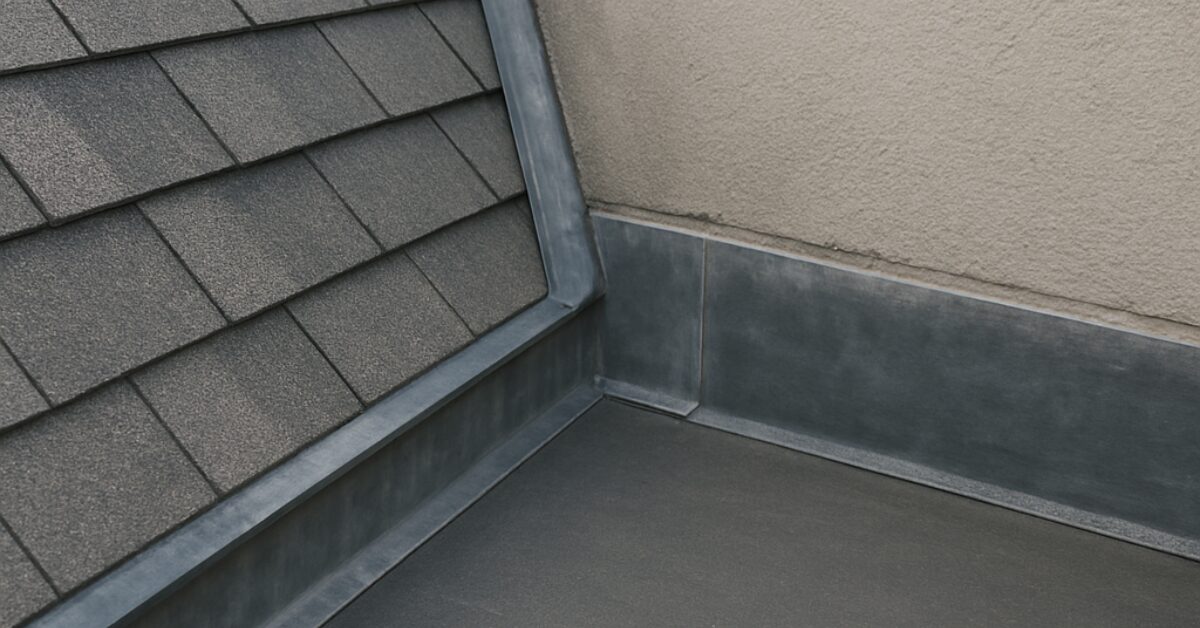
junction between a flat roof and a pitched roof

A Practical Guide to a Watertight, Insulated, Long-Lasting Roof Junction

The junction between a flat roof and a pitched roof is one of the most common failure points in building design. If this detail is poorly designed or installed, it can lead to:

  • Water ingress and leaks
  • Thermal bridging and heat loss
  • Condensation and mould issues

The good news? With the correct flat roof to pitched roof junction detail, you can create a fully watertight, thermally efficient, and durable connection.

What Makes a Good Flat-to-Pitched Roof Junction?

A high-performance junction detail should include:

  • Continuous insulation (no cold bridging)
  • Sealed vapour control layer (VCL)
  • Effective drainage (minimum 1:40 fall)
  • Durable, compatible waterproofing system
  • Structurally aligned roof elements

Missing just one of these can significantly increase the risk of long-term roof failure.

Why This Junction is High Risk

This detail combines different roof types, materials, and structural loads, making it particularly vulnerable.

Common Problems:

  • Leaks from poor flashing or weak waterproofing
  • Cold bridging due to insulation gaps
  • Condensation from trapped warm air
  • Structural stress from movement between roof types

These issues affect timber, steel, and masonry builds, making correct detailing essential on every project.

Key Elements of a Successful Junction Detail


1. Continuous Insulation (Prevent Cold Bridging) 

To maintain thermal performance, insulation must run uninterrupted across both roof types.

Best practice:

  • Overlap or connect insulation layers directly
  • Use warm roof systems (insulation above the deck)
  • Incorporate tapered insulation to maintain falls

Result: Reduced heat loss and improved energy efficiency


2. Vapour Control Layer (VCL) Continuity 

A properly installed VCL prevents moisture from entering the roof structure.

Key considerations:

  • Wrap VCL around junction elements (e.g. beams)
  • Seal all overlaps and penetrations
  • Maintain continuity across both roof types

Poor VCL installation is a leading cause of condensation-related roof failure.


3. Roof Falls and Drainage 

Flat roofs must effectively drain water away from the junction.

Guidelines:

  • Minimum fall of 1:40
  • Direct water away from the pitched roof
  • Use tapered insulation for accuracy

Prevents standing water and long-term damage


4. Flashing and Waterproofing at the Junction

This is the critical barrier between the two systems.

Success factors:

  • Ensure compatibility with tiles, slate, or metal finishes
  • Avoid weak mechanical joints
  • Use fully bonded waterproofing systems where possible

A seamless finish dramatically reduces leak risk


5. Structural Compatibility 

The junction must be structurally sound as well as weatherproof.

Consider:

  • Alignment of rafters and joists
  • Load transfer between roof sections
  • Movement allowances for expansion and contraction

Poor coordination can lead to cracks and eventual failure.

Common Mistakes to Avoid

Even experienced installers can get this wrong. Watch out for:

  • Gaps in insulation between roof types
  • Broken or poorly sealed VCL
  • Roof falls directing water toward the junction
  • Over-reliance on mechanical flashing
  • Ignoring structural movement

Avoiding these mistakes significantly extends roof lifespan.

Where Are Flat-to-Pitched Roof Junctions Used?

You’ll commonly find this detail in:

  • House extensions
  • Dormer roofs
  • Commercial buildings
  • Retrofit and refurbishment projects

While designs may vary, the core principles remain the same.


Why GRP Roofing Is Ideal for Roof Junctions

Glass Reinforced Plastic (GRP) systems are particularly effective for complex junctions.

Key Benefits:

  • Seamless, fully bonded waterproof layer
  • Easily adapts to complex geometry
  • Long-lasting, durable finish
  • Compatible with modern insulation systems

GRP eliminates many common failure points found in traditional systems.

Final Thoughts: Get the Detail Right First Time

A well-designed flat-to-pitched roof junction ensures:

  • Long-term waterproofing
  • Improved thermal efficiency
  • Strong structural performance

Focus on:

  • Continuous insulation
  • Effective vapour control
  • Proper drainage
  • Reliable waterproofing


Get these right, and you’ll create a robust, compliant, and long-lasting roof system.

Need Help With Your Roof Design?

Working on a roof project?

Get expert advice to avoid costly mistakes:

  • Speak to a composite roofing specialist
  • Explore GRP system solutions
  • Request technical detailing support


Contact our team today to optimise your roof design.

Frequently Asked Questions

Why is this junction prone to failure?

Because it combines different materials, angles, and thermal conditions—making it vulnerable to leaks and condensation.

How do you prevent cold bridging?

By ensuring insulation remains continuous between flat and pitched sections.

What is the minimum fall for a flat roof?

A fall of 1:40 is recommended for effective drainage.

Can GRP roofing be used at this junction?

Yes — GRP provides a seamless, durable, and fully bonded waterproofing solution ideal for complex roof details.

Read More...