
Common Flat Roof Refurbishment Challenges Facing Commercial Buildings (And How to Avoid Costly Failures)

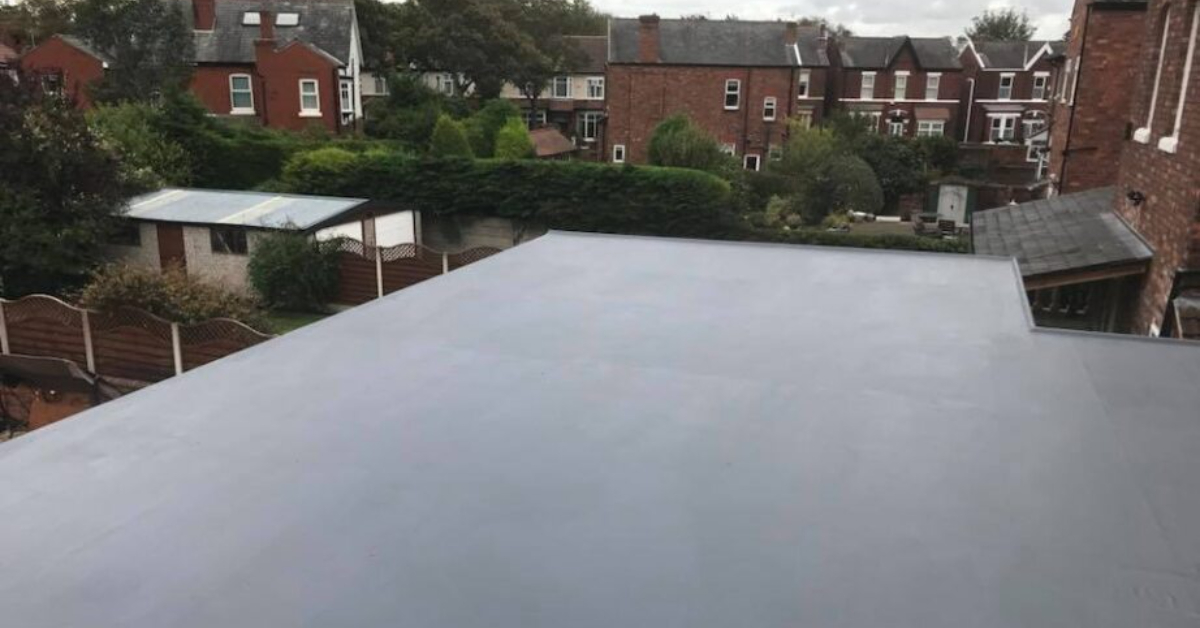
GRP Flat Roof

Flat roofs are a dominant feature across commercial, industrial and public sector buildings. From warehouses and manufacturing facilities to schools, hospitals and retail units, flat roofing systems offer design efficiency and maximise usable space. However, when refurbishment becomes necessary, flat roofs present a unique set of challenges that, if not properly addressed, can lead to recurring failures, escalating costs and operational disruption.

Understanding these challenges is the first step towards choosing a refurbishment strategy that delivers long‑term performance rather than short‑term repair.

Ageing Roof Membranes and Material Degradation

Many commercial flat roofs in the UK and Ireland are now reaching – or exceeding – their original design life. Traditional membranes can become brittle over time, losing elasticity and resistance to environmental stress.

Common degradation issues include:

  • Shrinkage and splitting
  • Loss of adhesion to the substrate
  • UV damage and surface erosion
  • Water ingress through weakened joints and laps

Simply patching isolated defects rarely solves the underlying material fatigue, often resulting in repeat maintenance cycles.

Cracking Caused by Structural Movement

Flat roofs are constantly subjected to movement. Daily thermal cycling, structural deflection, vibration from plant equipment and building settlement all place stress on the roof covering.

Cracks typically appear:

  • Around upstands, penetrations and edge details
  • Along substrate joints
  • At weak points in rigid or aged membranes

Once a crack forms, water ingress can accelerate failure of insulation layers and structural elements beneath the roof surface.

Weather Exposure During Refurbishment

One of the biggest challenges in flat roof refurbishment is managing weather risk. Many traditional systems require dry, stable conditions for installation, creating delays during unpredictable weather.

Extended exposure during strip‑out can result in:

  • Temporary weatherproofing costs
  • Risk of water ingress into the building
  • Operational downtime for occupants

For live buildings, this risk alone can make full roof replacement impractical.

Disruption to Building Occupants and Operations

Unlike new‑build projects, refurbishment often takes place on occupied buildings. Noise, odours, restricted access and health-and-safety concerns can significantly affect tenants or internal operations.

In sectors such as healthcare, education and manufacturing, downtime is not an option — making speed of installation and minimal disruption critical factors.

Sustainability and Waste Pressures

Environmental performance is no longer a ‘nice to have’. Refurbishment decisions are increasingly influenced by:

  • Embodied carbon considerations
  • Waste reduction targets
  • ESG commitments
  • Compliance with sustainability frameworks

Traditional strip‑and‑replace roofing methods generate significant landfill waste and increase the carbon footprint of refurbishment projects.

Avoiding Failure: Rethinking Flat Roof Refurbishment

The most successful refurbishment strategies focus on eliminating root causes, not just visible defects. Modern approaches prioritise:

  • Flexible systems that accommodate movement
  • Seamless waterproofing with no weak joints
  • Overlay solutions that avoid unnecessary strip‑out
  • Faster installation with reduced weather dependency

Liquid‑applied roofing systems have emerged as a practical solution to many of these challenges, offering a way to extend roof life while reducing disruption and waste.

Read More...