Woven Roving Glass Fibre Fabrics: Characteristics, Types and Applications

Woven Roving

Over the past few years, woven roving glass fibre materials have become one of the most highly valued reinforcements in composite manufacturing. Known for their strength, durability, and versatility, woven roving fabrics are widely used across industries such as marine, aerospace, military, chemical processing, construction, and sports goods manufacturing.

In composite construction, woven roving fabrics are produced by weaving continuous glass fibre rovings in specific directions—typically at 0° and 90° orientations. This bidirectional alignment provides exceptional strength and load distribution, giving woven roving a decisive advantage over many other reinforcement fabrics.

This article explores woven roving glass fibre fabrics, including their characteristics, reinforcement options, fibre compositions, and key applications.

What Is Woven Roving Glass Fibre Fabric?

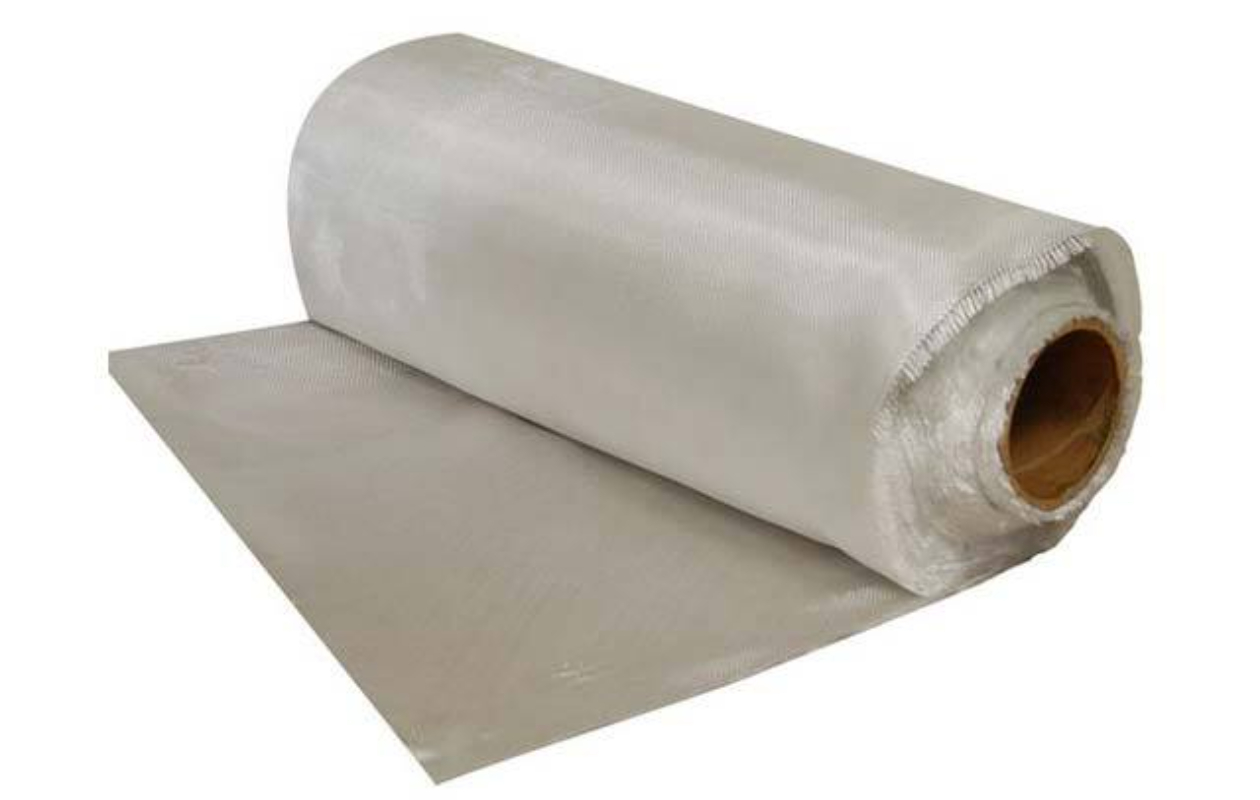
Woven roving is a heavy, coarse fabric produced by weaving continuous glass fibre rovings in a plain weave pattern. The interlacing of fibres creates a strong, stable reinforcement that is ideal for high-strength composite laminates.

During manufacturing, the glass filaments are tightly interwoven, resulting in:

  • Increased fabric weight
  • Higher mechanical strength
  • Improved structural integrity in finished composites

One of the major advantages of woven roving glass fibre fabric is its compatibility with a wide range of resin systems, including polyester, vinyl ester, and epoxy resins.

Key Characteristics of Woven Roving Fabric

Woven roving fabrics are valued for their balance of strength, stiffness, and cost-effectiveness. Key characteristics include:

High Flexural and Impact Strength

Ideal for structural laminates requiring rigidity and load-bearing capacity.

Excellent Resin Compatibility

Works well with most thermoset resin systems.

Customisable Options

Available in various weights, weave styles, widths, and surface finishes.

Heavy-Duty Reinforcement

Commonly used where chopped strand mat alone would be insufficient.

In composite laminates, fibres are incorporated into liquid resin, which then cures into a rigid structure. The fibres serve as the primary reinforcement, while the resin binds and transfers loads—together creating a strong, durable composite.

Types of Fabric Reinforcements Used with Woven Roving

Several reinforcement materials are commonly used alongside or instead of woven roving, depending on the application:

Aramid


  • Available in widths from approximately 1 inch to 50 inches
  • Features a uniform, tightly controlled weave
  • Used where surface finish and precision are important


Mat (Chopped Strand Mat)

  • Consists of randomly oriented fibres
  • Easily conforms to complex and compound curves
  • Polyester-compatible binders dissolve during wet-out, improving mould conformity


Roving

  • A coarse woven fabric made from continuous strands
  • Provides high structural strength in flat or gently curved parts


Combination Fabrics (e.g. Kaytex)

  • Combine chopped strand mats with long rovings
  • Offer improved bonding and strength in a single reinforcement layer
 

Factors to Consider When Selecting Woven Roving Fabric

Weight

Fabric weight (measured in ounces per square yard or grams per square metre) directly affects strength and rigidity. Heavier fabrics generally provide higher strength but increase laminate weight. Selecting the right balance is key to optimal performance.

Strand Direction

  • Unidirectional fabrics offer maximum strength in one direction
  • Bidirectional fabrics (0°/90°) provide balanced strength in two directions
  • Mats offer omnidirectional reinforcement


Weave and Fibre Structure

Plain woven roving fabrics use interlaced fibres to create stability and strength. Different weave patterns affect drape, wet-out, and mechanical performance.

Fibre Composition

The fibre type significantly influences performance and cost:

E-Glass

The most economical and widely used glass fibre; offers good strength and excellent value.

S-Glass

Chemically treated for higher strength and stiffness than E-glass

Carbon Fibre

Lightweight, extremely stiff and recognisable by its black appearance; widely used in aerospace and high-performance applications 

Aramid (Kevlar®)

Highly impact-resistant and lightweight; ideal for areas exposed to high force or abrasion 

Woven Roving Fabric Applications

Woven roving glass fibre fabrics are used in a wide range of demanding applications, including:

  • Truck bodies and panels
  • Aircraft engine components
  • Boat hulls, canoes, and surfboards
  • Chemical tanks and storage vessels
  • Wind turbine blades

Due to its coarse weave, woven roving can create voids if not properly wet out. Careful resin application is essential to ensure full impregnation and avoid excess resin weight.

Handling Tip: Never fold woven roving fabric, as this can damage the fibres. Always roll it into a tube to prevent creasing and ensure consistent laminate quality.

Frequently Asked Questions About Woven Roving Fabric

What is woven roving used for?

Woven roving is used as a structural reinforcement in composite laminates where high strength, stiffness, and durability are required, such as boat hulls, tanks, and industrial panels.

What is the difference between woven roving and chopped strand mat?

Woven roving provides directional strength and higher load-bearing capacity, while chopped strand mat offers omnidirectional reinforcement and better conformity to complex shapes.

Which resin systems are compatible with woven roving?

Woven roving glass fibre fabrics are compatible with polyester, vinyl ester, and epoxy resins, making them suitable for a wide range of composite manufacturing processes.

Is woven roving suitable for curved moulds?

Woven roving is best for flat or gently curved surfaces. For complex shapes, it is often combined with chopped strand mat to improve conformity.

Read More...