GRP vs Felt Roofing: Which Is the Better Choice for Your Project?

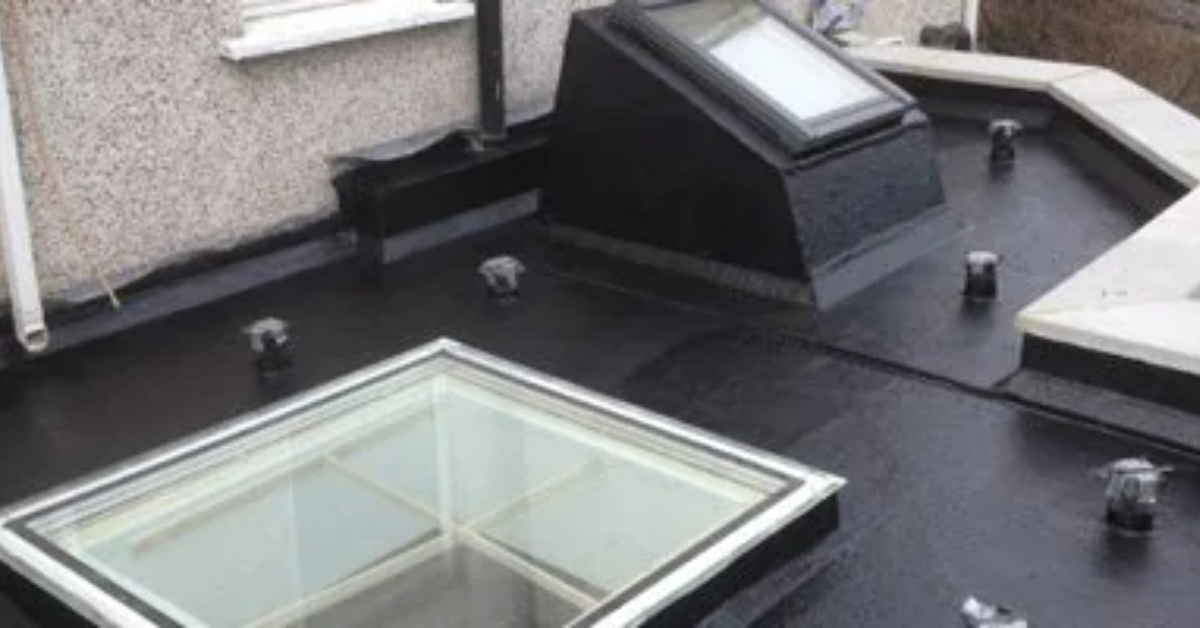
GRP Fibreglass Roofing

When it comes to selecting a roofing material for flat roofs, two of the most commonly compared systems are GRP (Glass Reinforced Plastic) roofing and felt roofing. Both have their place in the market, but if you’re planning a long-term investment, understanding the differences is key.

In this guide, we’ll explore GRP vs felt roofing in detail—covering durability, cost, installation, maintenance, and performance—so you can make the most informed decision for your next roofing project.

What Is GRP Roofing?

GRP roofing, also known as fibreglass roofing, is a seamless roofing system made from polyester resin reinforced with glass fibres. Once applied, it forms a strong, waterproof, and durable surface that is ideal for flat roofs, extensions, balconies, and commercial applications.

At Tricel Composites, GRP systems are engineered for high performance, long lifespan, and minimal maintenance, making them a preferred solution across both residential and industrial sectors.

What Is Felt Roofing?

Felt roofing is a more traditional flat roofing solution, typically made from bitumen-based sheets reinforced with materials like polyester. These sheets are layered and bonded using heat or adhesive to create a waterproof barrier.

While felt has been widely used for decades due to its low initial cost, it is increasingly being replaced by more advanced systems such as GRP.

GRP vs Felt Roofing: Key Differences

Durability & Lifespan

GRP Roofing

  • Lifespan of 20–30+ years
  • Resistant to cracking, UV degradation, and extreme weather
  • Seamless finish reduces weak points

Felt Roofing

  • Typically lasts 10–15 years
  • Susceptible to blistering, cracking, and tearing over time
  • Seams and overlaps can degrade and lead to leaks

Winner: GRP Roofing

GRP offers significantly greater longevity, making it a more cost-effective long-term solution.

Waterproofing Performance

GRP Roofing

  • Completely seamless application
  • No joints means reduced risk of water ingress
  • Excellent for complex roof shapes

Felt Roofing

  • Installed in overlapping layers
  • Joints can weaken over time
  • Higher risk of leaks as the roof ages

Winner: GRP Roofing

The seamless nature of GRP gives it a clear advantage in waterproofing reliability.

Installation Process

GRP Roofing

  • Applied as a liquid resin with reinforcing mat
  • Requires dry weather conditions for installation
  • Typically installed by trained professionals

Felt Roofing

  • Torch-on or self-adhesive installation
  • Faster and easier to install
  • Suitable for smaller or temporary projects

Winner: Felt Roofing (for speed and simplicity)

Felt is quicker to install, but this often comes at the expense of long-term performance.


Maintenance Requirements

GRP Roofing

  • Minimal maintenance required
  • Easy to clean and inspect
  • Highly resistant to moss and debris build-up

Felt Roofing

  • Requires regular inspections
  • Repairs often needed for splits, blisters, or leaks
  • More vulnerable to wear and tear

Winner: GRP Roofing

Lower maintenance makes GRP an appealing option for property owners looking to reduce ongoing costs.

Cost Considerations

GRP Roofing

  • Higher upfront cost
  • Lower lifetime cost due to durability and minimal repairs

Felt Roofing

  • Lower initial cost
  • Higher long-term expenditure due to maintenance and replacement

Winner: Depends on budget

If you’re focused on upfront savings, felt may appeal. However, for long-term value, GRP is the more economical choice.

Aesthetics & Finish

GRP Roofing

  • Smooth, modern finish
  • Available in various colours and topcoats
  • Ideal for visible roof areas

Felt Roofing

  • More traditional, less refined appearance
  • Limited aesthetic flexibility

Winner: GRP Roofing

GRP provides a cleaner, more contemporary finish that enhances visual appeal.

GRP vs Felt Roofing: Which Should You Choose?

The choice between GRP vs felt roofing ultimately depends on your priorities:

  • Choose GRP roofing if you want:

    • Long-term durability
    • Minimal maintenance
    • A modern, seamless finish
    • Reliable waterproofing
  • Choose felt roofing if you need:

    • A quick, low-cost solution
    • Temporary or short-term coverage

Why GRP Roofing Is the Preferred Modern Solution

As roofing technologies continue to advance, GRP systems are becoming the go-to choice for flat roofing applications. With superior durability, performance, and aesthetics, it’s easy to see why more contractors and specifiers are moving away from traditional felt roofing.

At Tricel Composites, we manufacture high-quality GRP materials designed to deliver consistent performance, ease of application, and long-term reliability across a wide range of projects.

Speak to the Experts

If you’re considering upgrading your flat roof or specifying materials for a new development, our team is here to help.

Contact Tricel Composites today to learn more about our advanced GRP roofing solutions and how they outperform traditional felt systems.

Read More...