Fibreglass Roof Overlay: How to Overlay an Existing Flat Roof

GRP Flat Roof

When a flat roof starts to show signs of ageing—leaks, cracks, or surface wear—many property owners assume a full replacement is the only option. However, a fibreglass roof overlay can provide a faster, more cost-effective solution without compromising on performance.

In this guide, we’ll explain how to overlay an existing flat roof, the benefits of fibreglass (GRP) systems, and why TriRoof overlay solutions are a leading choice in the UK.

What Is a Fibreglass Roof Overlay?

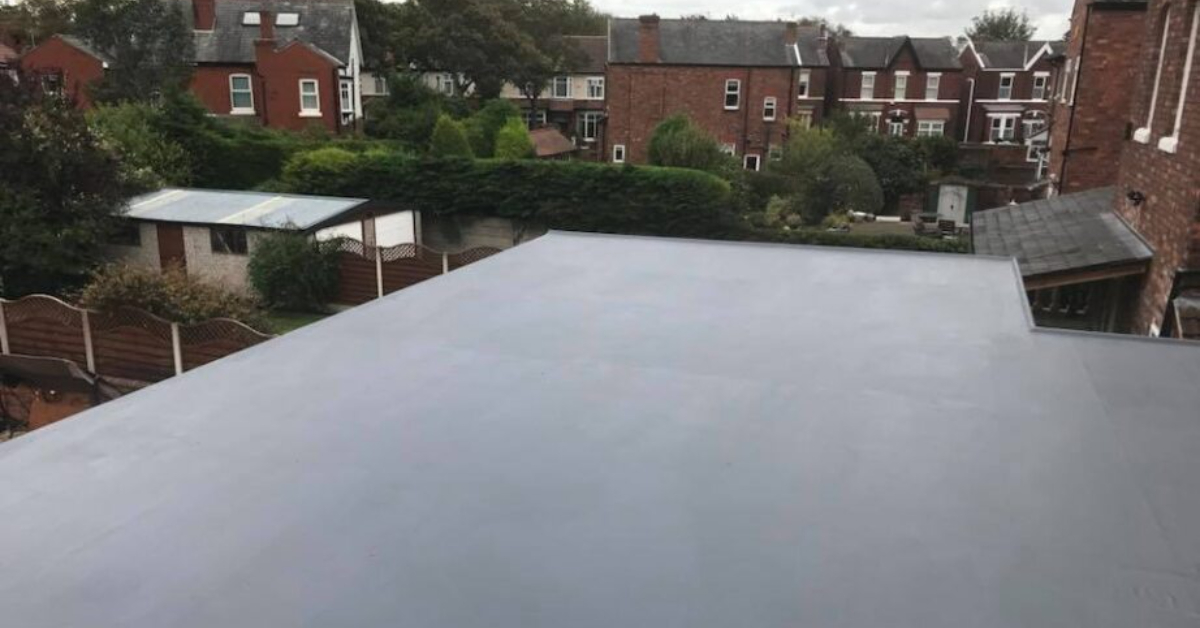
A fibreglass roof overlay involves applying a new waterproof GRP (Glass Reinforced Plastic) layer directly over an existing flat roof surface—without the need for a full strip-back in many cases.

This method is ideal for extending the life of roofs such as:

  • Felt
  • Asphalt
  • Bitumen
  • Certain single-ply systems (subject to condition)

Rather than removing the entire roof, an overlay creates a seamless, durable waterproof barrier over the existing substrate.

Why Choose a Fibreglass Overlay?

1. Cost-Effective Alternative to Replacement

Overlaying avoids the labour and disposal costs associated with full roof removal.

2. Minimal Disruption

Projects can be completed faster, making overlays ideal for occupied homes and commercial buildings.

3. Long-Term Performance

Modern GRP systems can provide decades of performance when installed correctly.

4. Seamless Waterproofing

Unlike traditional systems with joints and seams, fibreglass creates a continuous waterproof layer.

How to Overlay an Existing Flat Roof

While professional installation is always recommended for best results, understanding the process can help you choose the right system and contractor.

Step 1: Assess the Existing Roof

Before starting any overlay:

  • Check for structural integrity
  • Identify areas of trapped moisture
  • Ensure the substrate is stable and secure

Severely damaged roofs may still require partial replacement.

Step 2: Prepare the Surface

Proper preparation is critical to success:

  • Clean off dirt, moss, and debris
  • Remove loose or failed materials
  • Repair any cracks or weak areas
  • Allow the surface to fully dry

A well-prepared surface ensures proper adhesion of the GRP system.

Step 3: Install a Suitable Overlay System

Not all GRP systems are designed for overlays. Specialist systems are required to bond effectively to existing materials.

This is where TriRoof MultiFlex and HPX systems come into their own.

  • TriRoof MultiFlex: Designed specifically to bond to difficult substrates like felt and asphalt
  • TriRoof HPX: A high-performance liquid overlay system for refurbishment and repairs

Both are engineered to deliver strong adhesion and long-term durability without full strip-back

Step 4: Apply the Fibreglass Reinforcement

A layer of fibreglass matting is embedded into resin:

  • Ensures structural strength
  • Provides impact resistance
  • Reinforces the waterproof barrier

Step 5: Apply the Topcoat

The final topcoat:

  • Seals the surface
  • Provides UV resistance
  • Creates a clean, professional finish

The result is a seamless, weatherproof roofing system.

Why TriRoof Is Ideal for Fibreglass Roof Overlays

Choosing the right system is just as important as following the correct process.

TriRoof, from Tricel Composites, offers a complete range of GRP and overlay solutions designed for UK conditions.

Key Advantages of TriRoof Overlay Systems

Compatible with Existing Roofs

TriRoof overlay systems are developed to work with common substrates, reducing the need for costly removal. 

Durable and Long-Lasting
Designed for longevity, TriRoof systems offer strong resistance to weathering and wear.

Fast Cure Times
Ideal for projects where time is critical, allowing quicker return to service. 

Low Maintenance
Once installed, GRP roofs are easy to maintain and clean. 

Versatile System Options
From full GRP systems to specialist overlays and coatings, TriRoof provides solutions for:

  • Repairs
  • Refurbishments
  • New installations

When Should You Choose a Roof Overlay?

A fibreglass overlay is the best option when:

  • The existing roof is structurally sound
  • You want to minimise cost and disruption
  • You need a fast refurbishment solution
  • You want to extend the life of your current roof

However, if the structure beneath is compromised, a full replacement may still be required.

Common Mistakes to Avoid

When considering how to overlay an existing flat roof, avoid these pitfalls:

  • Skipping proper surface preparation
  • Applying the wrong system to the substrate
  • Ignoring trapped moisture
  • Using untrained installers

Working with trained professionals and proven systems is essential to long-term success.

Final Thoughts: Is a Fibreglass Roof Overlay Right for You?

A fibreglass roof overlay offers a smart, efficient way to restore and protect an existing flat roof without the cost and complexity of a full replacement.

With the right preparation and system, you can achieve:

  • Seamless waterproofing
  • Long-term durability
  • Reduced maintenance
  • Excellent value for money

For reliable results, TriRoof overlay systems provide a trusted, high-performance solution designed specifically for refurbishment projects in the UK.

Explore TriRoof Overlay Solutions

If you’re planning a flat roof refurbishment, discover how TriRoof can help you extend roof life with a high-quality fibreglass overlay system.

Read More...