TriKlean: The Safer, Smarter Alternative to Acetone for Composite Cleaning

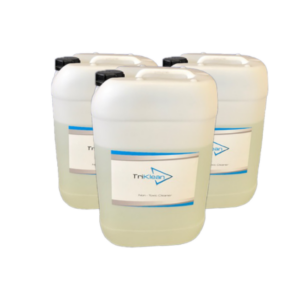
TriKlean Acetone Replacement

For decades, acetone has been the default solvent for cleaning tools, brushes, and equipment in composite manufacturing. Its effectiveness is well known — but so are the risks. From extreme flammability and harsh fumes to rising costs and increased regulatory pressure, acetone is becoming more of a liability than a solution in modern workshops.

As manufacturers look for safer, more efficient ways to operate, many are making the switch to TriKlean, a non‑hazardous solvent cleaner developed specifically for composite applications.

Why Acetone Is No Longer the Ideal Choice

Acetone remains common in GRP and FRP workshops largely due to habit, not suitability. While it cleans uncured resin effectively, it introduces several operational challenges:

  • Serious fire risk due to an extremely low flash point
  • Health concerns including skin irritation, respiratory discomfort, and headaches
  • High evaporation rate, leading to excessive solvent consumption
  • Increased compliance burden for ventilation, storage, and handling

In busy production environments, these risks quickly add up — affecting both safety performance and running costs.

What is TriKlean?

TriKlean is a non‑hazardous, non‑flammable solvent cleaner designed to replace acetone in composite manufacturing, finishing, and maintenance environments.

Unlike traditional solvents, TriKlean delivers powerful cleaning performance without compromising on health, safety, or environmental responsibility. It is available in liquid and wipe formats, making it easy to integrate into existing workshop processes.

TriKlean vs Acetone: What’s the Difference?

Safety First

TriKlean is non‑flammable, removing one of the biggest hazards associated with solvent use. This significantly reduces fire risk and makes it safer to use around machinery, tools, and heat sources. Its low‑toxicity profile also improves conditions for operators who handle solvents daily.

Superior Cleaning Efficiency

TriKlean is up to ten times more effective than acetone, meaning less product is required to achieve the same — or better — results. Its slower evaporation rate allows the solvent to work longer on the surface, improving resin removal with less effort.

Lower Overall Cost

Because it doesn’t evaporate instantly, TriKlean lasts far longer than acetone. Many manufacturers find they dramatically reduce solvent consumption, cutting overall spend and minimising waste.

Sustainability Benefits

TriKlean is biodegradable and supports more environmentally responsible manufacturing practices — an increasingly important factor for businesses working toward sustainability and ESG targets.

Typical Applications in Composite Manufacturing

TriKlean is suitable for a wide range of workshop tasks, including:

  • Cleaning brushes, rollers, squeegees, and tools
  • Flushing chopper guns and spray equipment
  • Removing uncured polyester, vinyl ester, and epoxy resins
  • Degreasing work surfaces and components
  • General maintenance cleaning in production areas

Its versatility makes it an ideal direct replacement for acetone across multiple processes.

Why Manufacturers Are Making the Switch

Composite manufacturers who replace acetone with TriKlean often report:

  • Improved workshop safety
  • Reduced solvent storage and handling risk
  • Lower solvent consumption and operating costs
  • Better working conditions for production teams

Importantly, these benefits are achieved without sacrificing cleaning performance.

Final Thoughts

Switching from acetone to TriKlean is a simple change that can deliver measurable improvements in safety, efficiency, and cost control. For composite manufacturers looking to modernise their processes, TriKlean offers a safer, smarter way to clean.

Read More...