What is Fibreglass?

FIBERGLASS OR FIBREGLASS

Uses, Benefits & Why It's a Leading Composite Material

Fibreglass (also spelled fiberglass)—also known as glass‑reinforced plastic (GRP)—is one of the most versatile and widely used composite materials in the world. From construction and marine to transport and industrial applications, fibreglass delivers strength, durability, and cost-efficiency that outperform traditional materials like steel, aluminium, and wood.

At Tricel Composites UK, we supply high-performance fibreglass products engineered for demanding projects across the UK and Ireland.

In this guide, you’ll learn:

  • What fibreglass is
  • Its key properties
  • Common uses across industries
  • The benefits of GRP over traditional materials

What is Fibreglass?

Fibreglass is a composite material made by combining fine glass fibres with a polymer resin such as:

  • Polyester resin
  • Vinyl ester resin
  • Epoxy resin

This creates a material that is lightweight, incredibly strong, and highly adaptable, making it ideal for both structural and cosmetic applications.

Key Properties of Fibreglass (GRP)

Fibreglass is widely used because of its exceptional performance characteristics:

  • High strength-to-weight ratio (stronger than steel by weight)
  • Corrosion and chemical resistance
  • UV and weather resistance
  • Non-conductive (excellent electrical insulation)
  • Moisture and pest resistance
  • Fire-resistant (with appropriate resins)
  • Thermal stability across extreme conditions

These properties make fibreglass a preferred material for harsh environments where durability and reliability are critical.

What Is Fibreglass Used For?

Fibreglass is used across multiple industries thanks to its flexibility and long lifespan.

Construction Applications

  • Flat roofing systems (GRP roofing)
  • Wall cladding and architectural mouldings
  • Insulation panels
  • Anti-slip flooring and grating


 Marine Applications

  • Boat hulls and decks
  • Pontoons, docks, and walkways
  • Personal watercraft and surfboards


Transport & Automotive

  • Vehicle body panels
  • Trailers and enclosures
  • Lightweight structural components


 Aerospace & Defence

  • Ducting systems
  • Lightweight housings
  • Non-conductive shielding components


 Food & Beverage Processing 

  • Hygienic wall cladding
  • Washdown-safe surfaces
  • Corrosion-resistant linings


Power Generation & Utilities

  • Electrical enclosures
  • Weatherproof housings
  • Protective infrastructure covers


What are the Benefits of Fibreglass?

Fibreglass offers a unique combination of performance, cost-efficiency, and design flexibility.

Lightweight Yet Strong

Fibreglass delivers high structural strength while remaining easy to handle, transport, and install.

Excellent Corrosion Resistance

Unlike steel or timber, fibreglass does not rust, rot, or degrade, even in marine or chemical environments.

Long-Term Cost Savings

Low maintenance and long lifespan make GRP a cost-effective solution over time.

Design Flexibility

Fibreglass can be moulded into complex shapes, curves, and custom components, ideal for bespoke projects.

Low Maintenance

Easy-to-clean, hygienic surfaces reduce ongoing operational and maintenance costs.

Aesthetic Versatility

Available in:

  • Matt, semi-gloss, or high-gloss finishes
  • Colour-matched options
  • Textured or smooth designs

Types of Fibreglass

Different types of fibreglass are engineered for specific performance requirements:

  • E-glass – Electrical insulation
  • S-glass – High strength applications
  • C-glass – Chemical resistance
  • A-glass – General-purpose use
  • AE-glass – Alkali-resistant (construction applications)

Common Fibreglass Forms 

Fibreglass is manufactured in several formats depending on the application:

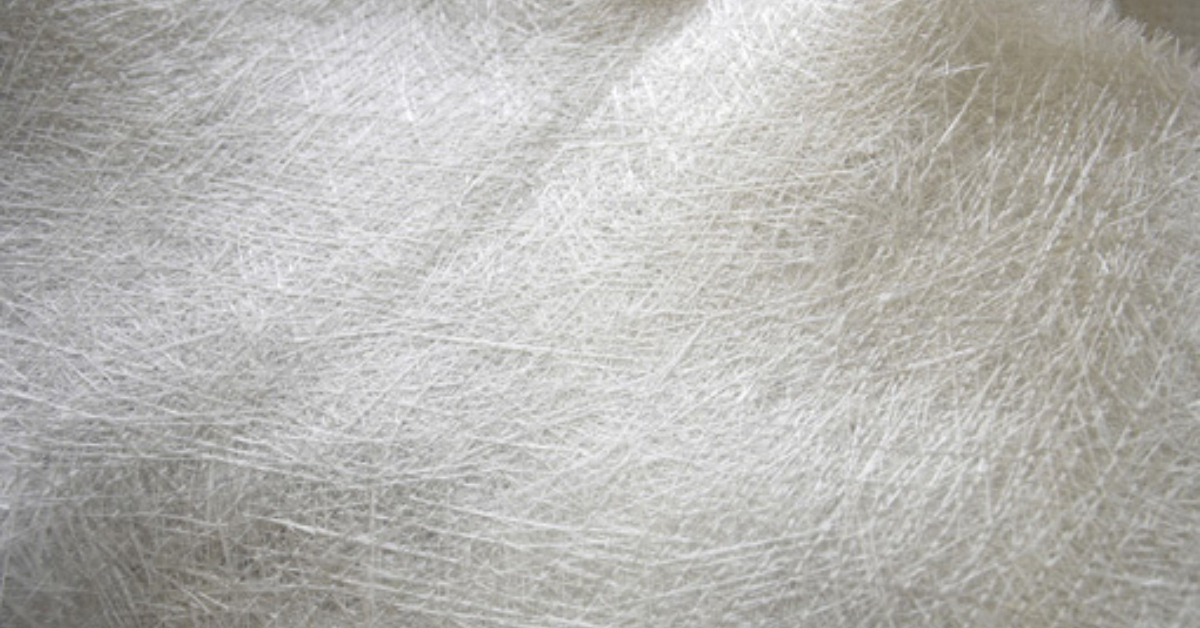
  • Matting – General lamination and repairs
  • Cloth – Heat shielding and reinforcement
  • Tape – Thermal insulation
  • Rope – Industrial sealing and packing

Why Choose Tricel Composites UK?

When it comes to sourcing reliable fibreglass materials, Tricel Composites UK is a trusted partner.

We offer:
 
  • High-quality, tested fibreglass products
  •  Competitive pricing across all ranges
  • Fast delivery throughout the UK and Ireland
  • Expert technical advice and support

Whether you’re working on GRP roofing, marine repairs, automotive parts, or industrial systems, our team can help you find the right solution.

FIBERGLASS OR FIBREGLASS

Explore Our Range of Fibreglass Products

Discover industry-leading fibreglass materials tailored for professional applications.

Fibreglass FAQ's

What is fibreglass made from?

Fibreglass is made by combining fine glass fibres with a resin—typically polyester, vinyl ester, or epoxy—to create a strong, lightweight composite material.

Is fibreglass the same as GRP?

Yes. Fibreglass and GRP (glass‑reinforced plastic) refer to the same material. “GRP” is commonly used in technical and industrial settings.

Is fibreglass suitable for outdoor use?

Absolutely. Fibreglass is UV‑resistant, weatherproof, and corrosion‑resistant, making it ideal for long‑term outdoor applications.

How long does fibreglass last?

When properly manufactured and installed, fibreglass can last several decades with minimal maintenance, even in harsh environments.

Is fibreglass fire resistant?

Fibreglass is non‑combustible and offers good fire performance. Fire‑retardant resins can be used where enhanced fire resistance is required.

What’s the difference between fibreglass and other composite materials?

Fibreglass offers an excellent balance of strength, cost, durability, and design flexibility, making it more economical than carbon fibre and lighter than traditional materials like steel or concrete.

Read More...