How Honeycomb Core Materials Improve Composite Structures

Honeycomb Core Materials

Honeycomb core materials are a cornerstone of modern composite manufacturing. Known for their exceptional strength-to-weight ratio, these lightweight cores significantly improve structural performance across industries such as aerospace, marine, automotive, and construction.

In this guide, we break down what honeycomb core materials are, their key benefits, and how to choose the right core for your application.

What Are Honeycomb Core Materials?

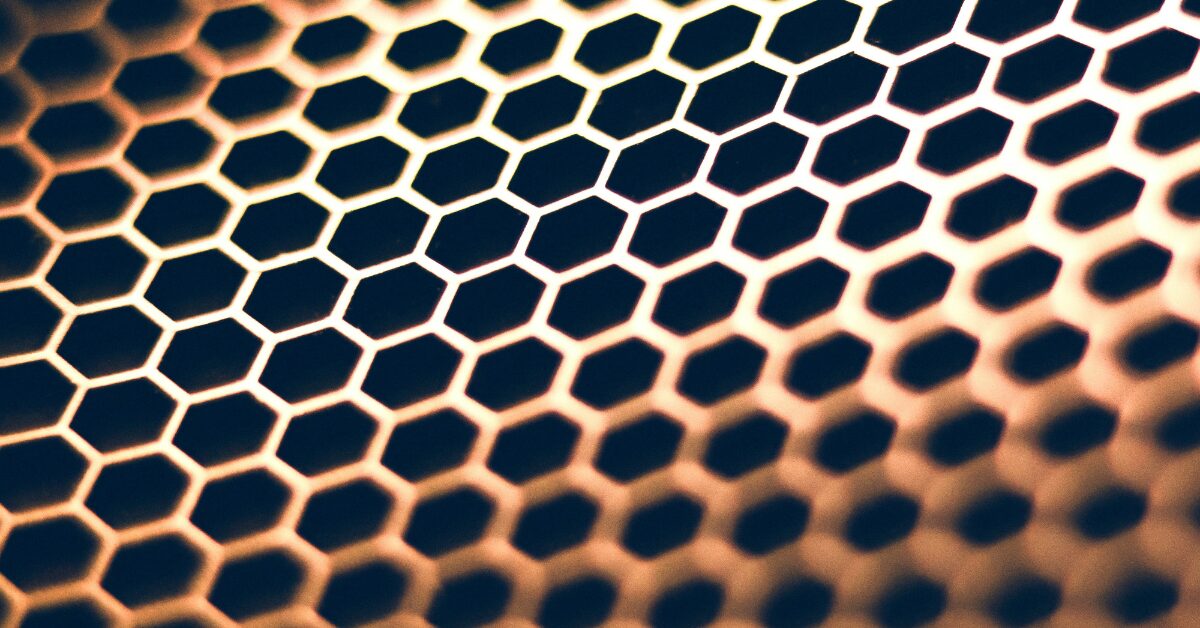
Honeycomb core materials feature a hexagonal cell structure, inspired by natural honeycomb geometry. This design maximises strength while minimising material usage—resulting in highly efficient, lightweight cores.

Common materials include:

  • Aluminium
  • Nomex®
  • Kevlar®
  • Carbon fibre
  • Thermoplastics (e.g., polypropylene)

This unique structure distributes loads evenly, making honeycomb cores ideal for sandwich panels and high-performance composites.

Key Benefits of Honeycomb Core Materials

High Strength-to-Weight Ratio

Honeycomb cores deliver maximum structural strength with minimal weight, making them essential for industries where weight reduction improves efficiency—such as aerospace and automotive manufacturing.

Excellent Stiffness and Rigidity

The cellular structure provides outstanding bending resistance and stiffness, ensuring composite panels maintain their shape under load.

Ideal for:

  • Aircraft structures
  • Marine hulls
  • Architectural panels

Impact Resistance and Energy Absorption

Honeycomb materials are highly effective at absorbing impact energy, reducing damage in high-stress environments.

Common uses:

  • Crash structures in vehicles
  • Protective panels
  • Safety equipment

Corrosion and Moisture Resistance

Materials like Nomex and polypropylene honeycomb offer strong resistance to:

  • Moisture
  • Chemicals
  • Corrosion

This makes them perfect for marine and offshore applications.

Thermal and Acoustic Insulation

Honeycomb cores provide natural insulation properties, helping regulate temperature and reduce noise.

Applications include:

  • Aircraft interiors
  • Vehicle cabins
  • Building facades

Applications of Honeycomb Core Materials

Aerospace Industry

  • Aircraft fuselage panels 
  • Wing structures 
  • Interior cabin partitions 
  • Radomes and fairings 

Marine Industry

  • Boat hulls and decks 
  • Bulkheads and superstructures 
  • Lightweight flooring panels 

Automotive Industry

  • Vehicle body panels 
  • Impact-resistant crash structures 
  • Lightweight composite components 

Construction Industry

  • Architectural panels 
  • Facade systems 
  • Prefabricated structural elements 

How to Choose the Right Honeycomb Core Material

Material Type

  • Aluminium: High strength and rigidity
  • Nomex®: Fire resistance and lightweight performance
  • Thermoplastics: Moisture resistance and cost-efficiency


Cell Size and Density

  • Smaller cells = higher strength and stiffness
  • Larger cells = reduced weight and lower cost


Environmental Conditions

  • Marine environments require water-resistant cores
  • Aerospace demands ultra-lightweight, high-strength materials


Why Honeycomb Core Materials Matter

Honeycomb core materials play a vital role in optimising composite structures, offering the perfect balance of:

  • Lightweight performance
  • Structural strength
  • Durability

By selecting the right core material, manufacturers can reduce weight, improve efficiency, and extend product lifespan.

Frequently Asked Questions (FAQs)

What are honeycomb core materials used for?

They are used to increase strength and stiffness while reducing weight in composite structures across aerospace, marine, automotive, and construction industries.

What are honeycomb cores made from?

Typical materials include aluminium, Nomex®, Kevlar®, carbon fibre, and polypropylene, each suited to different performance requirements.

Why are they so strong?

The hexagonal structure distributes loads efficiently, giving high mechanical performance with minimal material use.

Are honeycomb cores suitable for marine use?

Yes—materials like polypropylene and Nomex offer excellent moisture and corrosion resistance.

Do honeycomb cores provide insulation?

Yes, they offer thermal and acoustic insulation, improving comfort in vehicles, aircraft, and buildings.

Ready to Optimise Your Composite Design?

Choosing the right honeycomb core can significantly improve your product’s performance and lifespan.

Contact our Composites Team today to discuss your application and find the best solution.

Read More...