Core Materials in Composite Manufacturing: Types, Benefits & Selection Guide

core materials for composite manufacturing

Core materials are the backbone of high-performance composites. They increase stiffness, reduce weight, and improve durability, making them essential across aerospace, marine, automotive, and construction industries.

In this guide, you’ll learn:

  • What core materials are
  • The main types available
  • How to choose the right core for your application

What Are Core Materials in Composites?

Core materials are lightweight layers placed between composite skins (laminates) to form a sandwich structure. This design dramatically boosts structural performance without adding significant weight.

Key Benefits of Core Materials

  • Distribute loads more efficiently
  •  Increase stiffness and strength-to-weight ratio
  • Improve impact and fatigue resistance
  • Reduce overall material usage and cost


Types of Core Materials

Choosing the right core starts with understanding your options:

1. Foam Core Materials

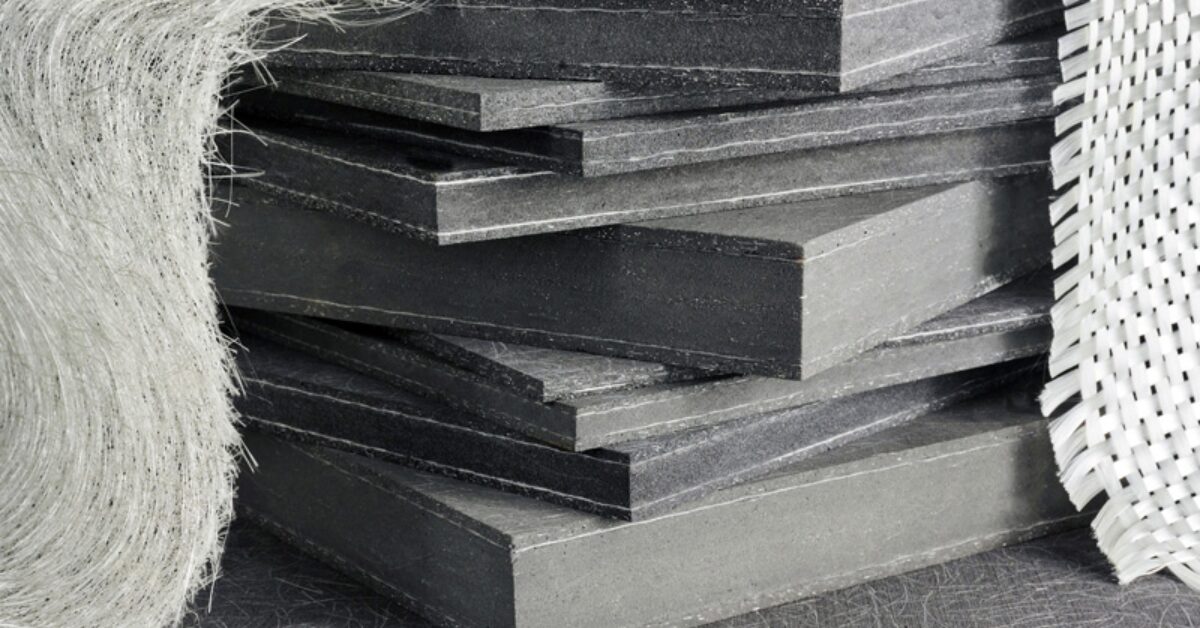
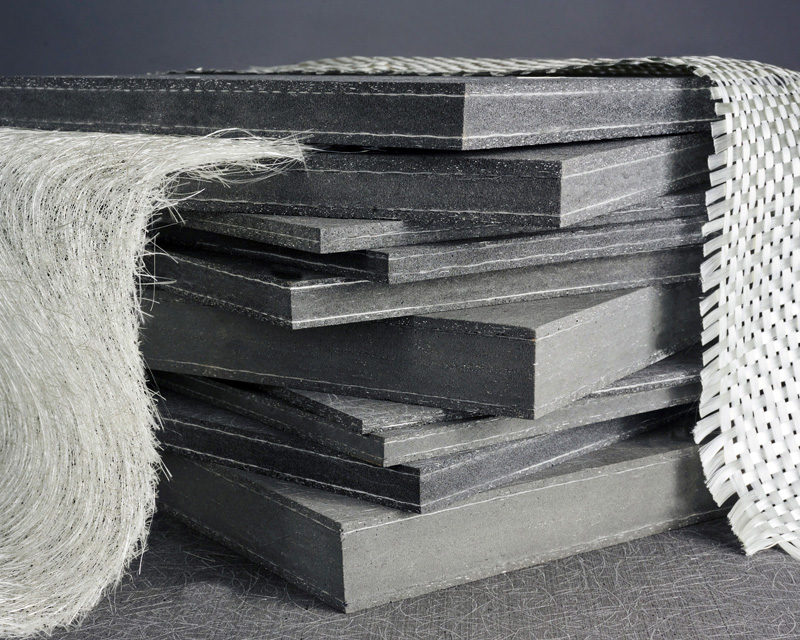
Coosa Composites Panels

Foam cores are among the most widely used due to their versatility and performance.

Popular options include:

  • PVC Foam: High compressive strength and moisture resistance
    Best for marine, wind energy, and aerospace applications

  • PET Foam: Recyclable and sustainable with good thermal insulation
    Ideal for environmentally conscious projects

  • PU Foam: Excellent energy absorption
    Common in automotive and industrial components

2. Honeycomb Core Materials

Honeycomb structures provide an exceptional strength-to-weight ratio, making them ideal for high-performance applications.

  • Aluminum Honeycomb: Lightweight, strong, corrosion-resistant
    Used in aerospace and transport

  • Nomex Honeycomb: Fire-resistant and lightweight
    Perfect for aircraft interiors

  • Carbon Fibre Honeycomb: Ultra-stiff and high-performance
    Used in advanced engineering applications

3. Balsa Wood Core

A natural core solution with excellent strength-to-weight properties.

Common uses:

  • Marine hulls and decks
  • Wind turbine blades
  • Aerospace structures

4. Cork Core Materials

Cork is an eco-friendly alternative with excellent insulation properties.

Key benefits:

  • Sustainable and renewable
  • Acoustic and thermal insulation
  • Vibration damping

Applications:

  • Marine construction
  • Automotive interiors
  • Lightweight panels

Applications of Core Materials in Composite Manufacturing

Core materials are essential across multiple industries:

Aerospace Industry

  • Aircraft fuselage panels and wing structures
  • Lightweight cabin interiors for fuel efficiency
  • Radomes and satellite components


Marine Industry

  • Boat hulls and decks
  • Bulkheads and superstructures
  • Lightweight flooring systems


Automotive Industry

  • Body panels for improved crash resistance
  • Energy-absorbing structures
  • Lightweight EV components


Construction Industry

  • Architectural façade panels
  • Structural sandwich panels
  • Modular prefabricated buildings


Core Material Comparison Table

Core Type
Key Benefit
Common Use
Foam
Lightweight, impact-resistant
Marine, Aerospace, wind
Honeycomb
High strenth-to-weight ratio
Aerospace, transport, rail
Balsa
Natural, strong, lightweight
Marine, wind energy
Cork
Sustainable, thermal insulation
Automotive, construction

FAQs About Core Materials

Why are core materials used in composites?

They increase stiffness while reducing weight, improving performance and efficiency.

Which core material is best for marine applications?

PVC foam and balsa wood are widely used due to their moisture resistance and structural strength.

Are there sustainable core material options?

Yes — PET foam and cork are both eco-friendly and recyclable solutions.

How to Choose the Right Core Material

Selecting the right core depends on your application. Consider:

  • Load-bearing requirements
  • Exposure to moisture or chemicals
  • Thermal and acoustic performance
  • Cost vs performance balance
  • Sustainability goals

Need Help Selecting the Right Core?

Choosing the right material can significantly impact performance and cost.


Contact the Tricel Composites Team for expert guidance and product recommendations tailored to your project.

Read More...