

Safer Solvent Cleaning: Reducing Fire and Health Risks in Composite Production

acetone replacement

Safety is at the forefront of modern composite manufacturing. Yet solvent cleaning remains one of the most common sources of fire and health risk in workshops.

Re‑evaluating solvent choice is one of the simplest ways to improve overall safety.

Fire Risk in Composite Workshops

Acetone’s extremely low flash point makes it one of the most dangerous materials in daily use. Even small spills or vapour build‑up can create serious ignition risks, particularly around electrical tools and curing processes.

Protecting Operator Health

Long‑term exposure to harsh solvent fumes can affect breathing, skin, and overall comfort — reducing wellbeing and potentially increasing absenteeism.

Safer solvents reduce these risks while improving conditions on the shop floor.

How TriKlean Improves Safety

TriKlean removes these hazards by being:

  • Non‑flammable
  • Low in toxicity
  • Free from harsh fumes

This allows teams to work more comfortably and confidently, even in enclosed or high‑use areas.

A Simple Step with Big Impact

Improving safety doesn’t always require major process changes. Often, the biggest gains come from upgrading everyday consumables — and solvent choice is a prime example.

Final Thoughts

Choosing TriKlean over acetone significantly reduces fire risk, improves operator welfare, and supports safer composite production without compromising cleaning performance.

Read More...

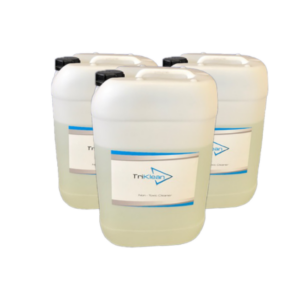
Drums of TriKlean Acetone Replacement Solution
Tools & Ancillaries

How Switching to TriKlean can Cut Solvent Costs in Your Workshop

When evaluating solvent costs, the true expense goes far beyond price per drum. Acetone’s rapid evaporation and high usage rates can significantly increase overall spend. This article explains how switching to TriKlean helps composite manufacturers reduce solvent consumption, minimise waste,

Read More »