
What Makes a Good Core Material for Marine and Structural Applications?

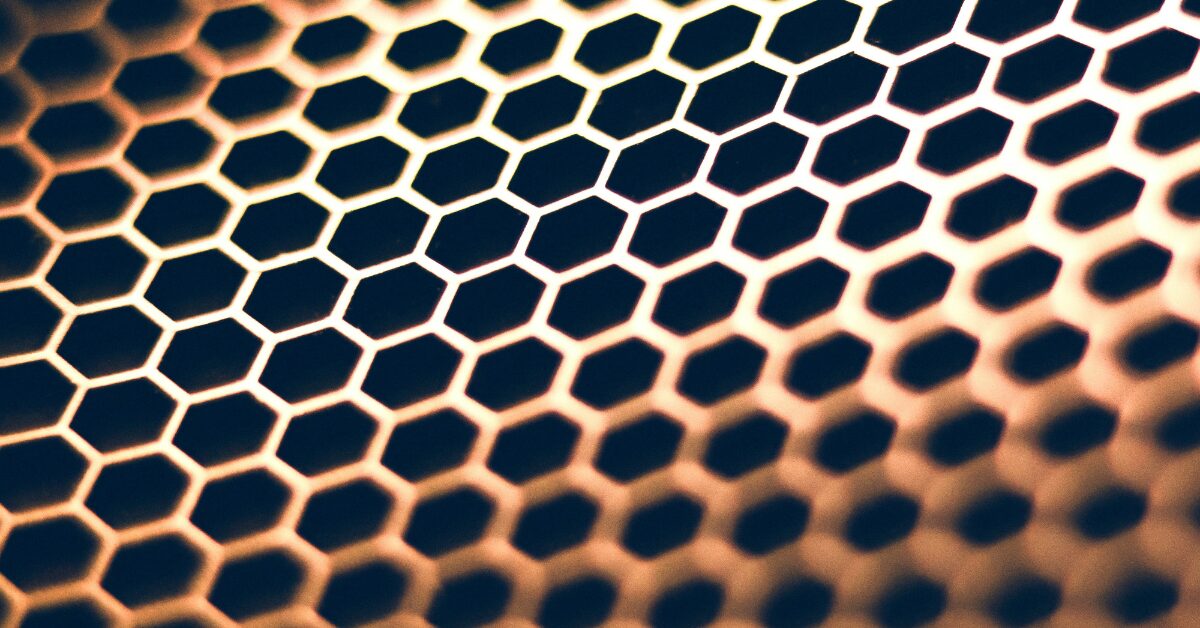
Honeycomb Core Materials

Choosing the right core material isn’t about tradition — it’s about long-term performance, reliability, and cost efficiency.

In demanding marine and structural environments, materials must withstand moisture, mechanical load, fatigue, and environmental stress without compromising integrity. This guide outlines the key characteristics of high-performance core materials and how to select the best option for your project.

Key Properties of High-Performance Core Materials

Moisture Resistance

In marine and outdoor applications, exposure to water is constant. A reliable core material should:

  • Resist water absorption
  • Retain structural strength when wet
  • Prevent rot, mould, and biological degradation

Poor moisture resistance can lead to premature failure, increased maintenance, and safety risks.

High Strength‑to‑Weight Ratio

The best core materials offer maximum structural performance with minimal weight.

Key benefits include:

  • Improved panel stiffness
  • Enhanced load-bearing capability
  • Reduced overall system weight

Lighter structures improve fuel efficiency, handling, and installation performance — especially critical in marine and transport applications.

Compatibility with Composite Systems

A core material must integrate seamlessly with composite components, including:

  • Fibreglass reinforcements
  • Resin systems (polyester, vinyl ester, epoxy)
  • Adhesives and protective coatings

Poor bonding can lead to delamination, structural weakness, and costly repairs.

Dimensional Stability

Environmental and thermal changes can cause expansion, contraction, or deformation.

Quality core materials should:

  • Remain dimensionally stable under temperature fluctuations
  • Resist swelling and shrinkage
  • Minimise internal stress and cracking

Stability is essential for maintaining structural integrity over time.

Longevity and Lifecycle Cost

A low upfront cost doesn’t always mean better value. Consider total lifecycle performance, including:

  • Long-term durability and consistency
  • Reduced maintenance and repair costs
  • Predictable service lifespan

Investing in a high-performance core material often results in lower total cost of ownership.

Need Help Choosing the Right Core Material?

Selecting the right solution depends on your specific application, load requirements, and environment.

Talk to our experts today to:

  • Compare material options side by side
  • Evaluate performance vs. cost
  • Choose the best core material for your project

Read More...