
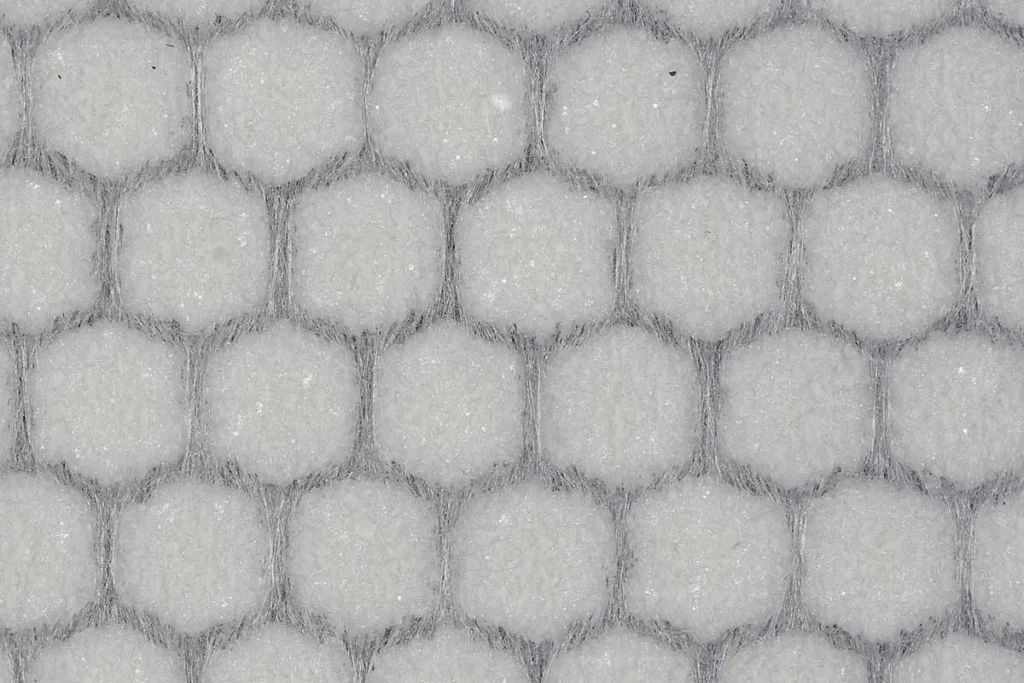
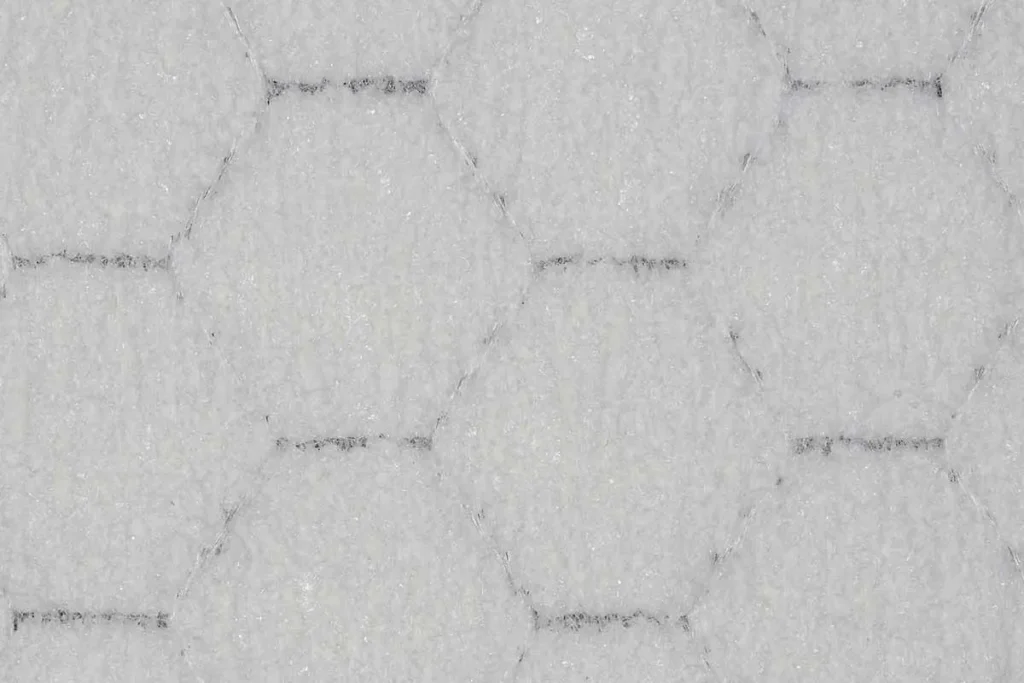
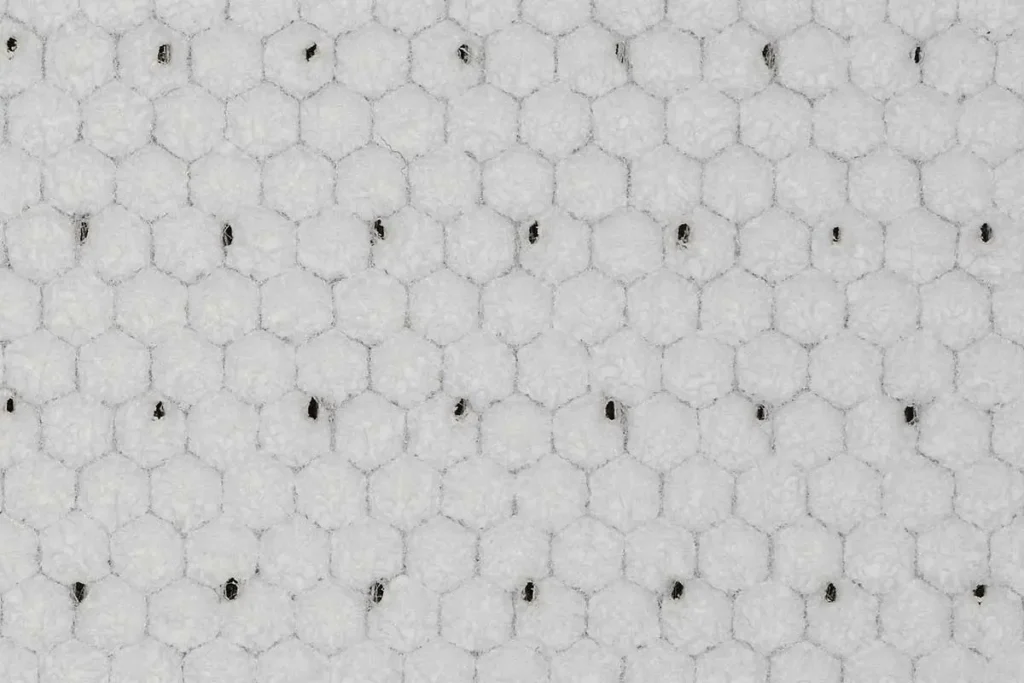
Lantor Soric vs. Lantor Coremat:
Lantor Soric vs. Lantor Coremat: Which Composite Core Material Is Best For Your Project?
Lantor Soric vs. Coremat: Which Composite Core Material Should You Use?
When selecting the right composite core material, understanding the differences between Lantor Soric and Lantor Coremat is essential. Both are trusted for their unique properties that enhance performance, durability, and structural quality. This guide compares Soric and Coremat to help you choose the best option for your specific application.
What is Lantor Soric?
Lantor Soric is a high-performance core material known for:
- Excellent resin flow for infusion processes
- Superior compression resistance
- Available in thicknesses from 1.5mm to 6mm
- Lightweight and durable
- Commonly used in marine, automotive, and industrial sectors
POPULAR PRODUCTS
Lantor Soric XF (6mm, 25m² per roll) – High stiffness and durability
Lantor Soric LRC (1.5mm, 70m² per roll) – Lightweight option for smooth surfaces.
What is lantor coremat?
Lantor Coremat is designed for precision thickness control and consistent performance in composite structures. Key features include:
- Exceptional thickness control
- Suitable for infusion and hand lay-up
- Available in thicknesses from 2mm to 10mm
- Durable and flexible for structural integrity
- Used in marine, construction, and industrial applications
POPULAR PRODUCTS
Lantor Coremat XM (2mm, 80m² per roll) – Consistent thickness and easy to use.
Lantor Coremat XM (10mm, 15m roll) – Suitable for applications requiring significant thickness
Comparison Table: Soric vs Coremat
|
Feature
|
Lantor Soric
|
Lantor Coremat
|
|---|---|---|
|
Resin Flow Management
|
Excellent for infusion processes
|
Suitable for infusion & hand lay-up
|
|
Compression Resistance
|
High
|
Moderate
|
|
Weight
|
Lightweight
|
Slightly heavier than Soric
|
|
Available thickness
|
1.5mm to 6mm
|
2mm to 10mm
|
|
Applications
|
Marine, Automotive, Industrial
|
Marine, Construction, Industrial
|
|
Stiffness
|
High
|
Moderate
|
|
Durability
|
High
|
High
|
|
Cost
|
Moderate to High
|
Moderate
|
Which Composite Core Material Is Right for your Project?
Choose Lantor Soric if you need:
- Lightweight structures
- High compression resistance
- Optimised resin flow for infusion
Choose Lantor Coremat if you need:
- Precise thickness control
- Flexibility for hand lay-up
- Cost-effective durability
Frequently Asked Questions
What is the difference between Lantor Soric and Lantor Coremat?
Lantor Soric is known for its excellent resin flow and high compression resistance, making it ideal for infusion processes. Lantor Coremat offers superior thickness control and is suitable for both infusion and hand lay-up methods.
Which applications are best suited for Lantor Soric?
Lantor Soric is commonly used in marine, automotive, and industrial sectors where lightweight, high-stiffness, and resin flow optimisation are critical.
When should I choose Lantor Coremat over Soric?
Choose Lantor Coremat when your project requires precise thickness control, flexibility for hand lay-up, and cost-effective durability—especially in construction and industrial application
When should I choose Lantor Coremat over Soric?
Choose Lantor Coremat when your project requires precise thickness control, flexibility for hand lay-up, and cost-effective durability—especially in construction and industrial application
Is Lantor Soric Heavier than Coremat?
No, Lantor Soric is generally lighter than Coremat, making it more suitable for weight-sensitive applications.
Can both materials be used in vacuum infusion?
Yes, both Lantor Soric and Coremat are compatible with vacuum infusion, although Soric is specifically engineered for optimal resin flow in infusion processes. [tricelcomp…ites.co.uk]
Sources:
Lantor Coremat® XM images and Lantor Soric® XF & LRC images : Lantor Composites